
Almost every woman realizes at some point that her skin has just stopped acting the way it did before.
Maybe you see acne popping up around your jawline every single month. Or maybe the moisturizer you have trusted for years simply doesn't cut it anymore. Your skin might also start feeling dry or reactive even though you haven't changed anything in your routine.
Hormones are likely playing a role here.
Estrogen is there to help support moisture and collagen in the skin, while androgens such as testosterone deal more with how much oil you produce. Then there is cortisol, which affects inflammation and can make skin problems that already exist feel much harder to handle.
Now none of this happens in a perfect straight line. Levels of hormones shift across your cycle and change even more when you go through pregnancy or perimenopause and menopause.
That is precisely why a routine that felt beautiful five years ago might suddenly feel totally wrong.
A Small Note on Young Skin
Puberty is generally the time when hormones first make themselves known on the skin.
Oil glands become more active as androgen levels climb. This increase in oil means pores get clogged more easily, and that is one big reason why acne is so common during the teenage years.
But for women moving into their 30s and older, the more important question is actually what happens later on.
Your 30s: Acne Does Not Always End in the Teens
Having adult hormonal acne is quite common, and it does not always look like the stuff you dealt with at sixteen.
Many women notice blemishes specifically around the chin or jaw. These often appear at roughly the same point in the menstrual cycle before they vanish again.
Because estrogen and progesterone rise and fall each month, these shifts can influence skin hydration and oil production.
Does that sound familiar? If so, you should start tracking it.
You do not need a fancy spreadsheet. Just pay attention to when breakouts occur and how your skin feels during the week before your period compared to the week after.
You might find that your skin turns oily for a couple of days and then swings right back to being dry.
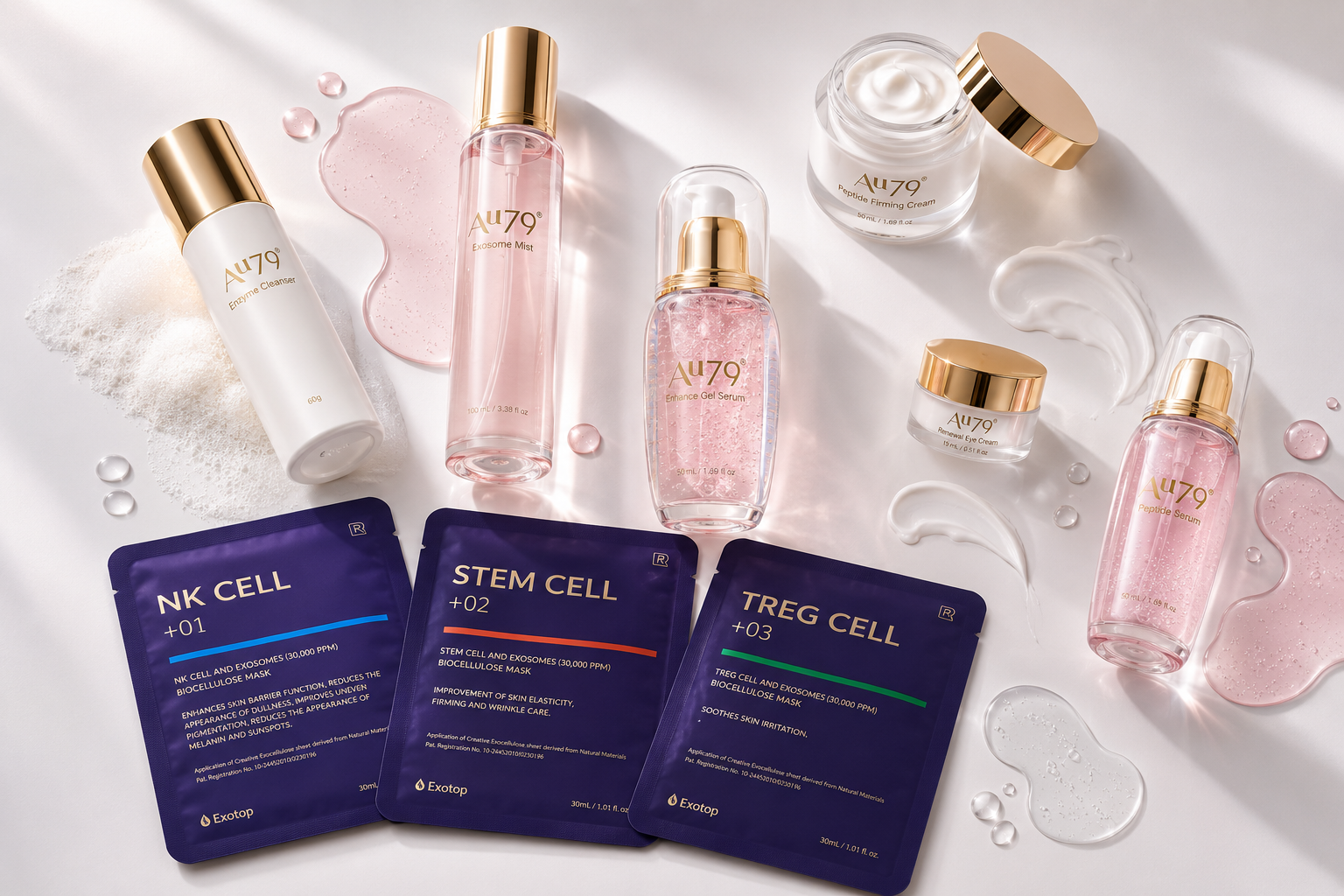
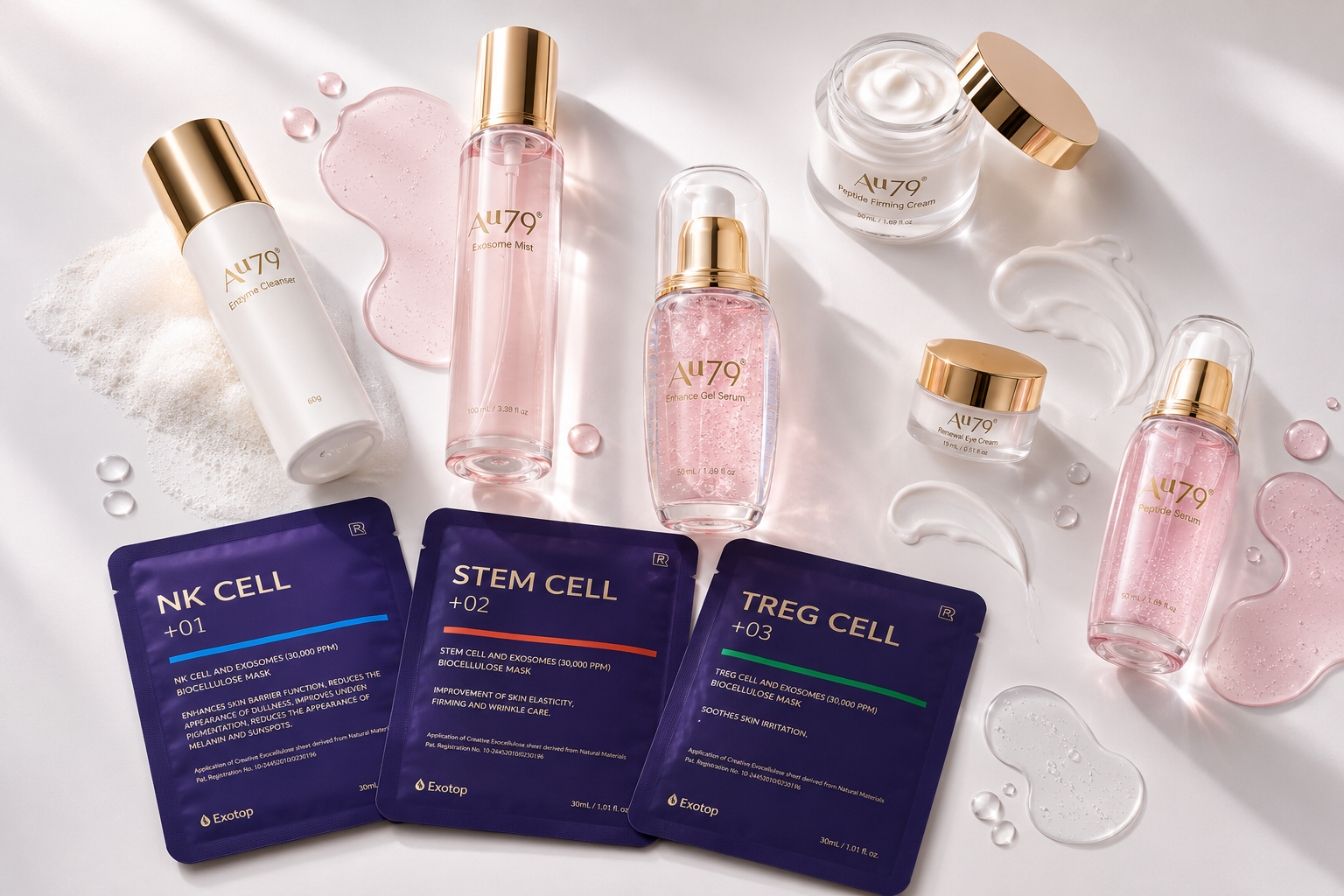
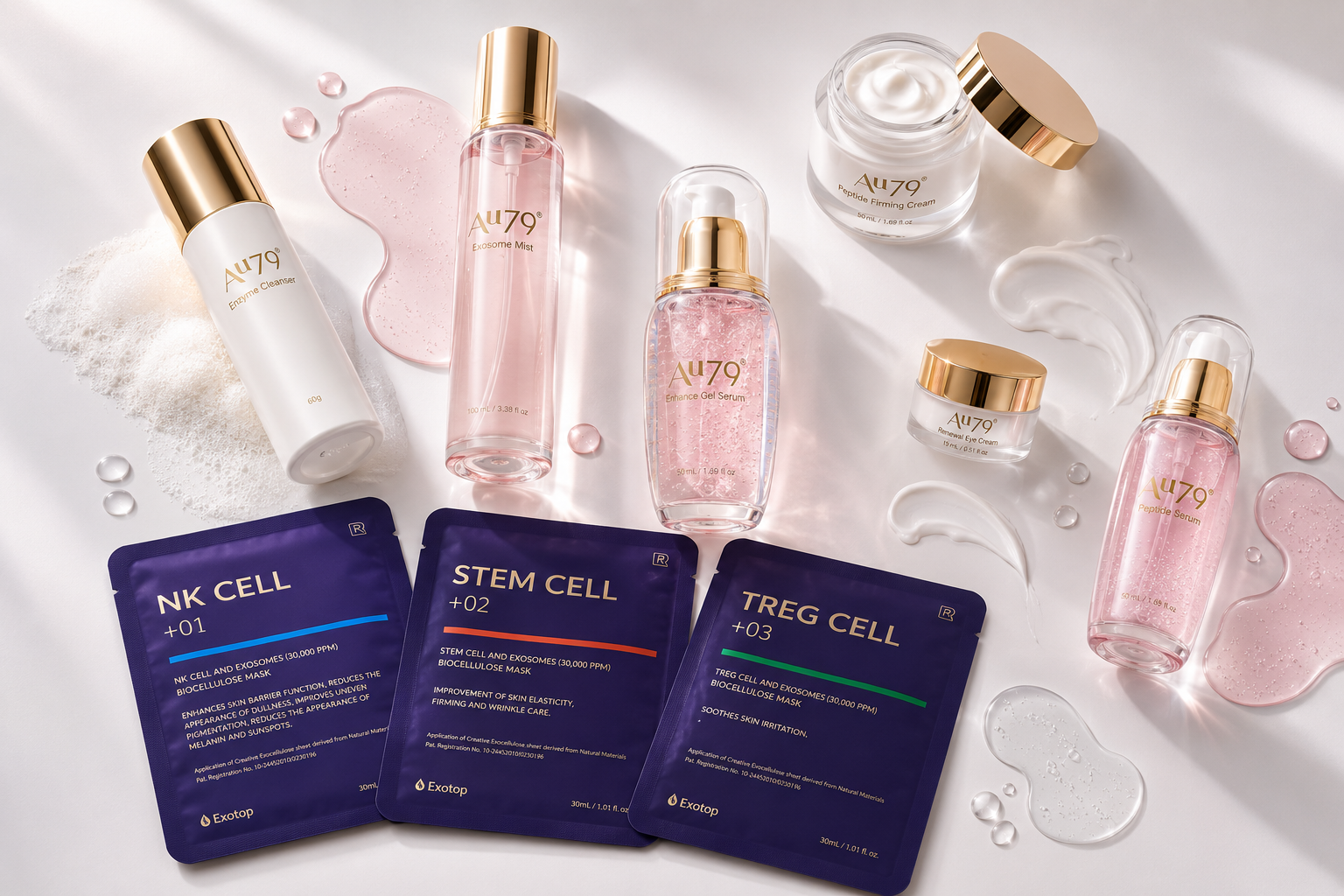
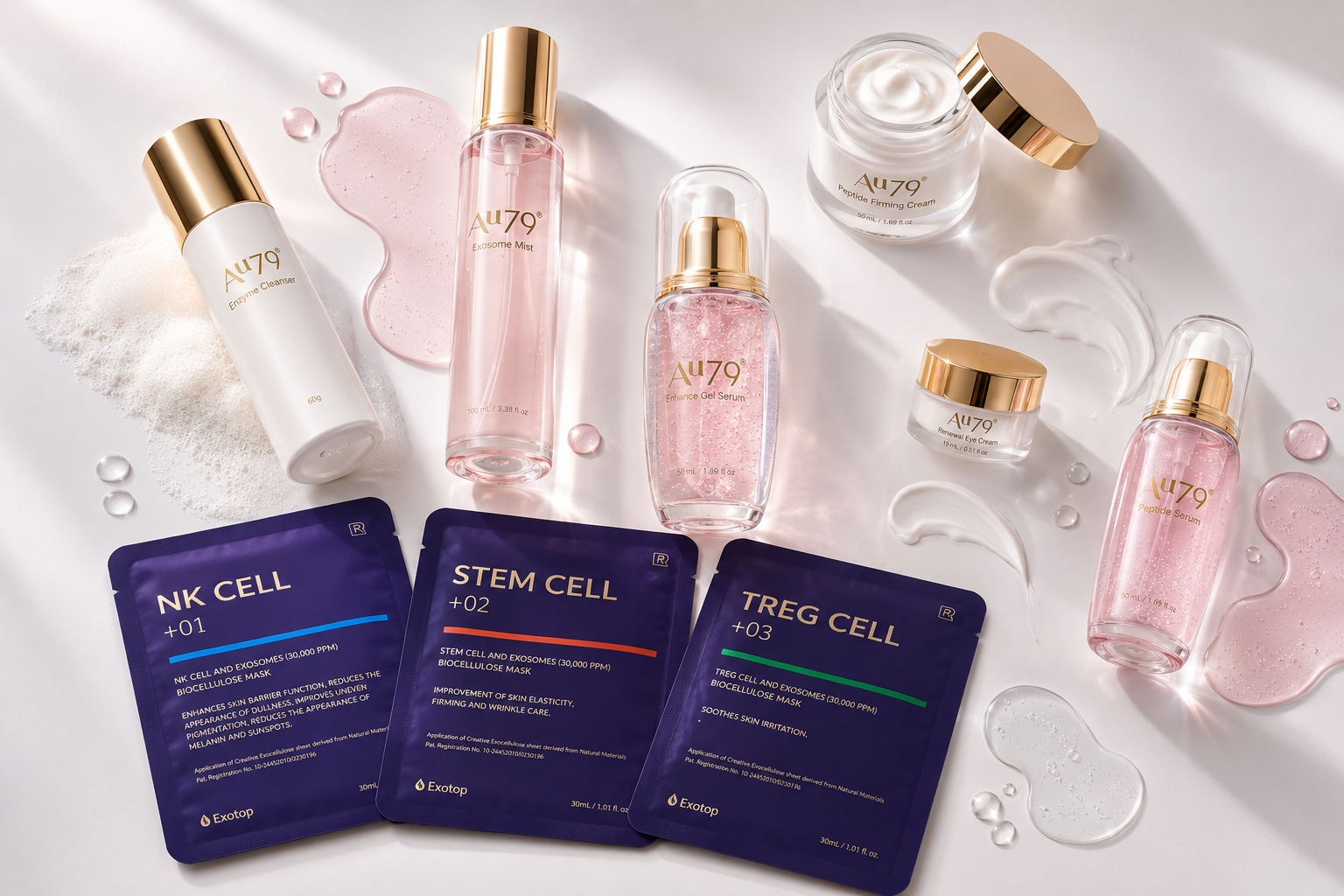
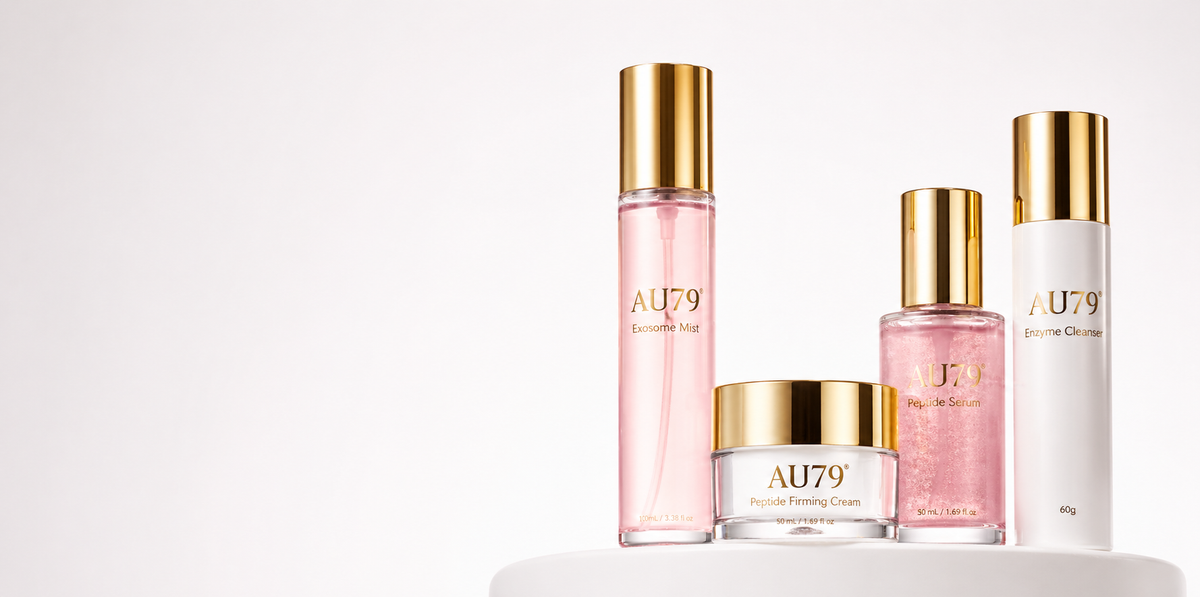
When hydration is the main struggle, the Au79 Exosome Mist is a simple product to add in since it uses panthenol and sodium hyaluronate for moisture, along with allantoin and centella asiatica.
Pregnancy Can Mess Up Your Normal Routine
Skin during pregnancy is just unpredictable.
You could develop acne after years of having clear skin or suddenly feel incredibly dry. Pigmentation also becomes more visible, especially melasma, which is tied to those hormonal shifts during pregnancy.
We would suggest not overcomplicating skincare during this phase.
Just stick with the products your skin handles well and keep using sunscreen. Also, if you are ever unsure if an ingredient is okay during pregnancy, you should ask your OB-GYN or dermatologist rather than trusting random social media advice.
Usually, simple is enough.
Perimenopause Is When Things Shift Again
Perimenopause often starts sooner than many women think it will.
Skin might feel drier, and the texture can change. Even some products that never bothered you before might start to sting now.
There is a real biological reason for this.
Collagen production drops and skin loses moisture more easily as estrogen starts to decline. At the same time, oil production usually drops too.
This is typically the moment when you should stop worrying so much about controlling oil and start looking at how the skin barrier is holding up.
If your face feels tight right after cleansing, that is a huge clue.
Another sign is if you are using lots of acids because you worry about texture, but your skin is just constantly irritated.
The Au79 Peptide Serum works well here because it mixes hydrating ingredients with peptides. For those needing something thicker, the Peptide Firming Cream has lipids and peptides that help hold onto moisture.
After Menopause, More Is Not Always Better
Once estrogen stays low, dryness and loss of elasticity usually become more obvious. The skin can also grow thinner and become less tolerant of treatments that are too aggressive.
Lots of women try to fix this by piling on more products.
But we would be very careful with that approach.
If you are using acids and retinoids and various exfoliants but your skin feels sore all the time, then your routine is likely doing too much.
Sometimes the best move is to just simplify things and let the skin settle down.
For Those Providing Skincare and Dermatologists
Talking about hormonal history should be part of the skincare conversation.
If a patient mentions acne appearing suddenly in her 30s, ask about the timing. Does it follow the menstrual cycle? Did it begin after a pregnancy? Have any other changes happened during perimenopause?
These small details really matter.
The same goes for sensitivity or dryness. A woman who cannot stand products she used for years might not need a stronger fix. She might actually need a completely different routine.
Providers can also spot when something is more than just normal hormonal changes. Severe acne or new facial hair, sudden pigment changes and significant hair loss might need a deeper medical look.
Recommendations for products should follow the actual person and not just an age group.
Your Skin Tells You Important Things
You don’t have to reinvent your whole routine every single year. But you probably should not expect it to remain exactly the same forever either.
Watch for when your skin changes and note what makes it feel better or what causes irritation out of nowhere.
Hormones are often the reason behind it. Once you realize that, adjusting your skincare becomes a lot less confusing.
Check out the daily skincare collection from Au79 for products that help with hydration and the changing needs of skin throughout adulthood.