
How Your Environment Impacts Your Skin
Your skin does not operate in isolation.
Every day, it receives signals from the environment around you. Sunlight, air quality, humidity, temperature, and indoor climate all influence how your skin behaves. Some of these inputs support healthy skin function. Others place additional demands on the skin barrier and the cellular processes responsible for repair.
When people notice dryness, redness, dullness, or unexpected breakouts, they often blame a product first.
The environment is often part of the story.
Understanding those external influences can help explain why your skin changes throughout the year, during travel, or even after spending long hours in a different indoor environment.
Your Skin Responds to Inputs
At Au79, we view skin as a living system. Skin cells constantly communicate with one another to coordinate repair, maintain hydration, and respond to stress.
Environmental conditions influence that communication.
A week at high altitude. A season of dry indoor heating. Increased UV exposure during summer. Each creates a different set of conditions that your skin must navigate.
The result may appear as a cosmetic concern, but the underlying cause often begins with skin function.
Ask yourself:
Have you ever followed the exact same skincare routine while traveling and still noticed your skin behaving differently?
That response is not random. Your environment changed.
Dry Air Challenges the Skin Barrier
Colorado provides a useful example.
Low humidity levels can increase transepidermal water loss, which is the natural process of water moving from the skin into the surrounding air. As moisture leaves the skin more rapidly, the barrier may become less comfortable and less resilient.
Common signs include:
- Tightness after cleansing
- Rough texture
- Flaking
- Increased sensitivity
- A feeling that your usual moisturizer is no longer enough
Many people respond by adding more products.
Sometimes, the better approach is supporting the barrier itself.
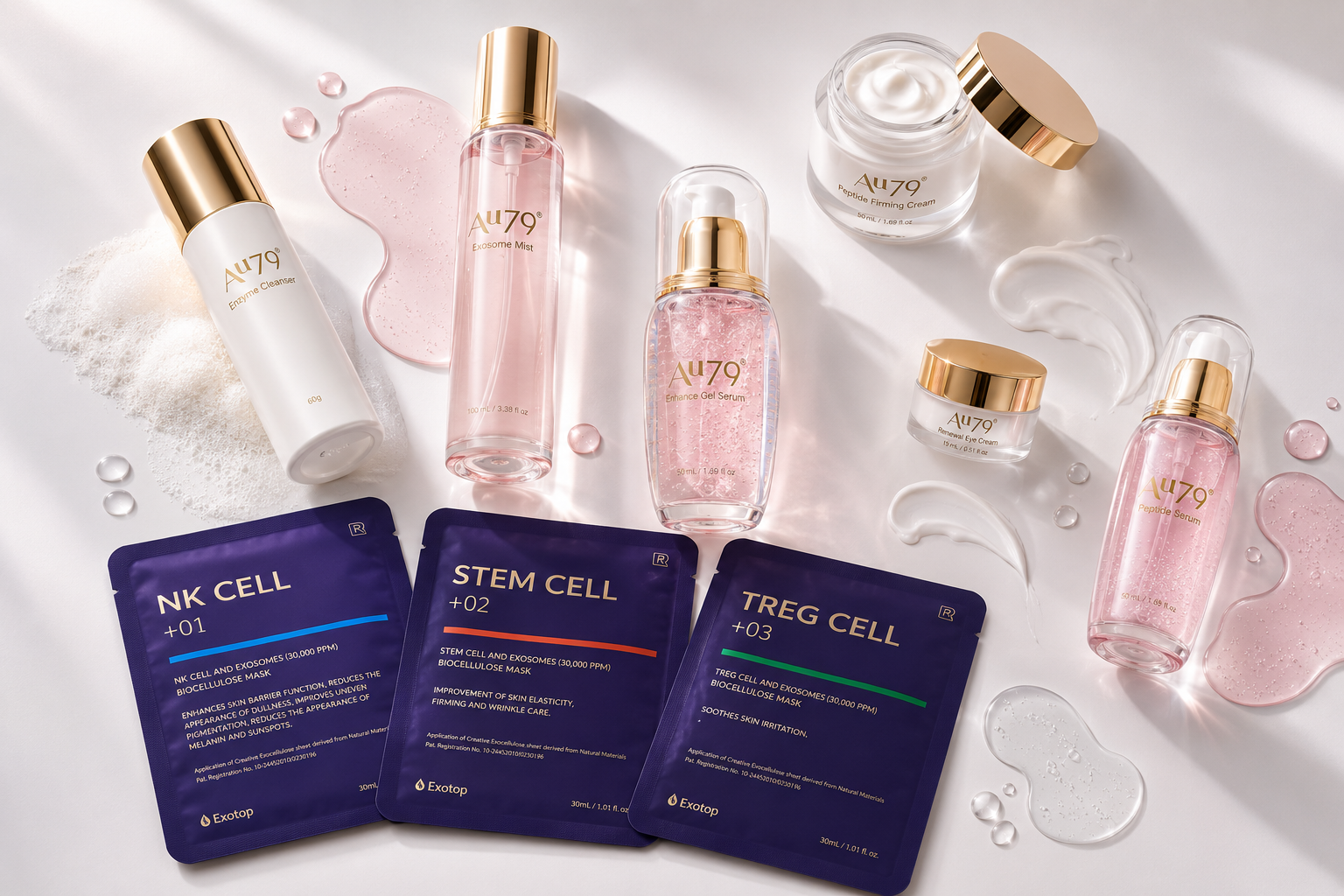
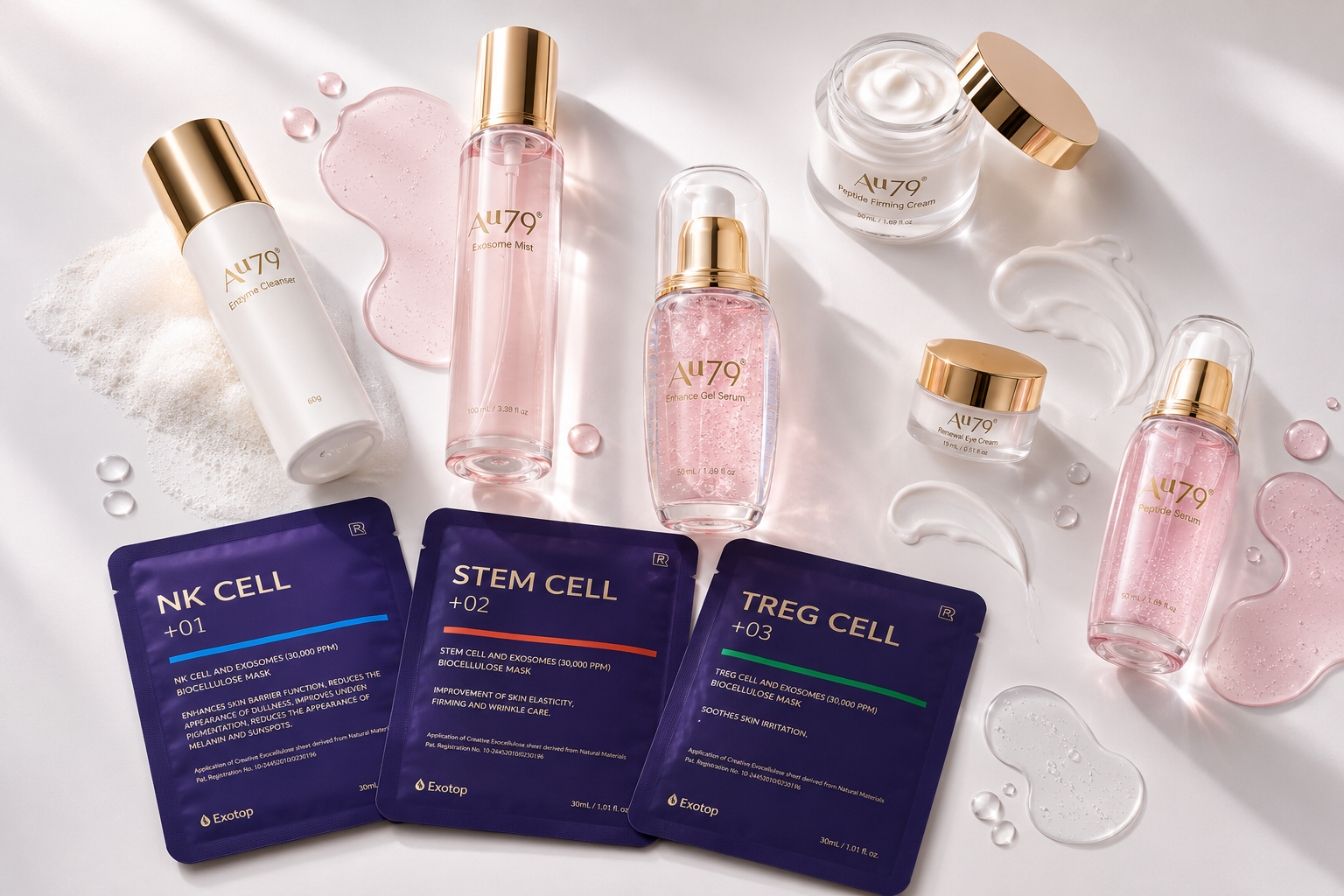
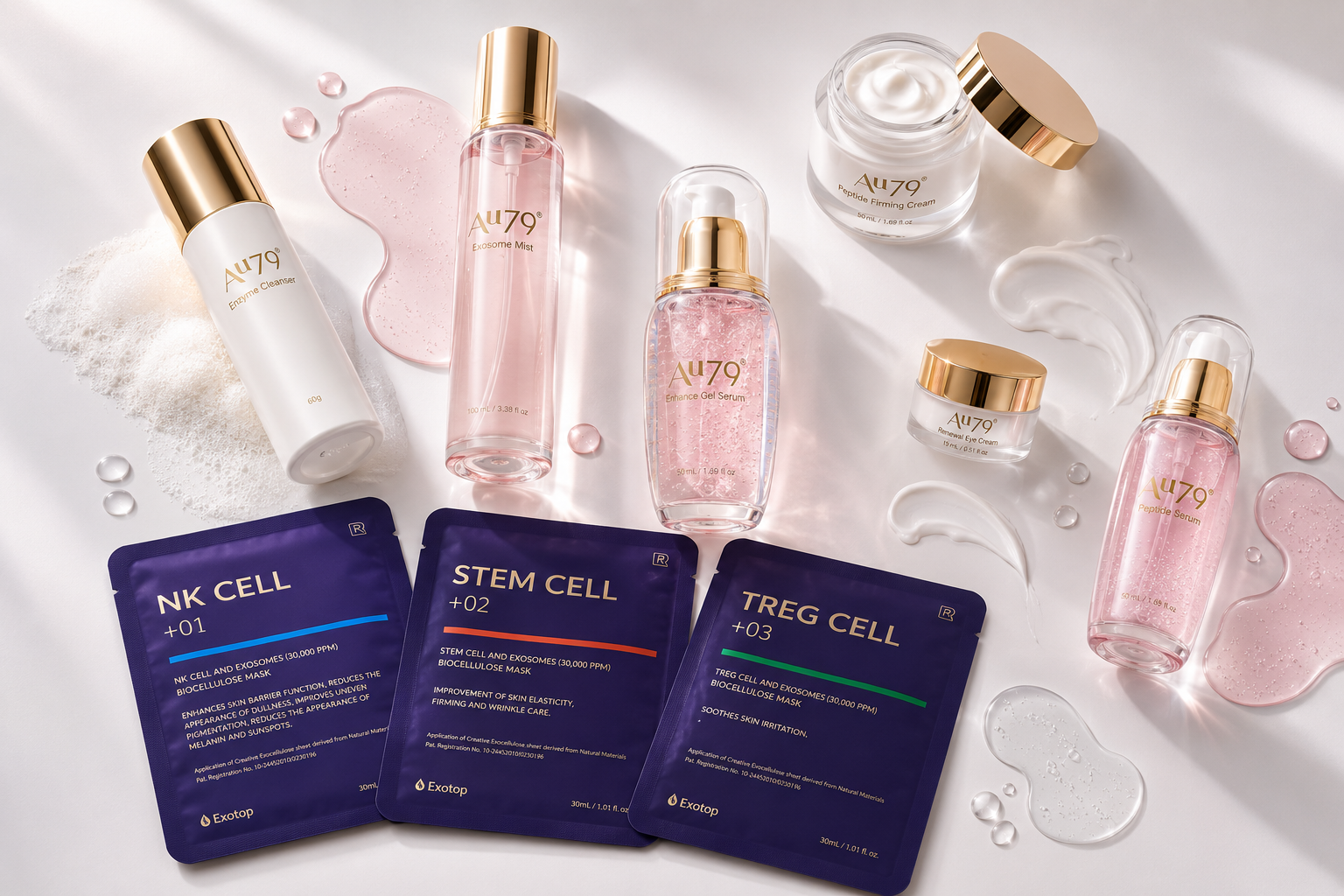
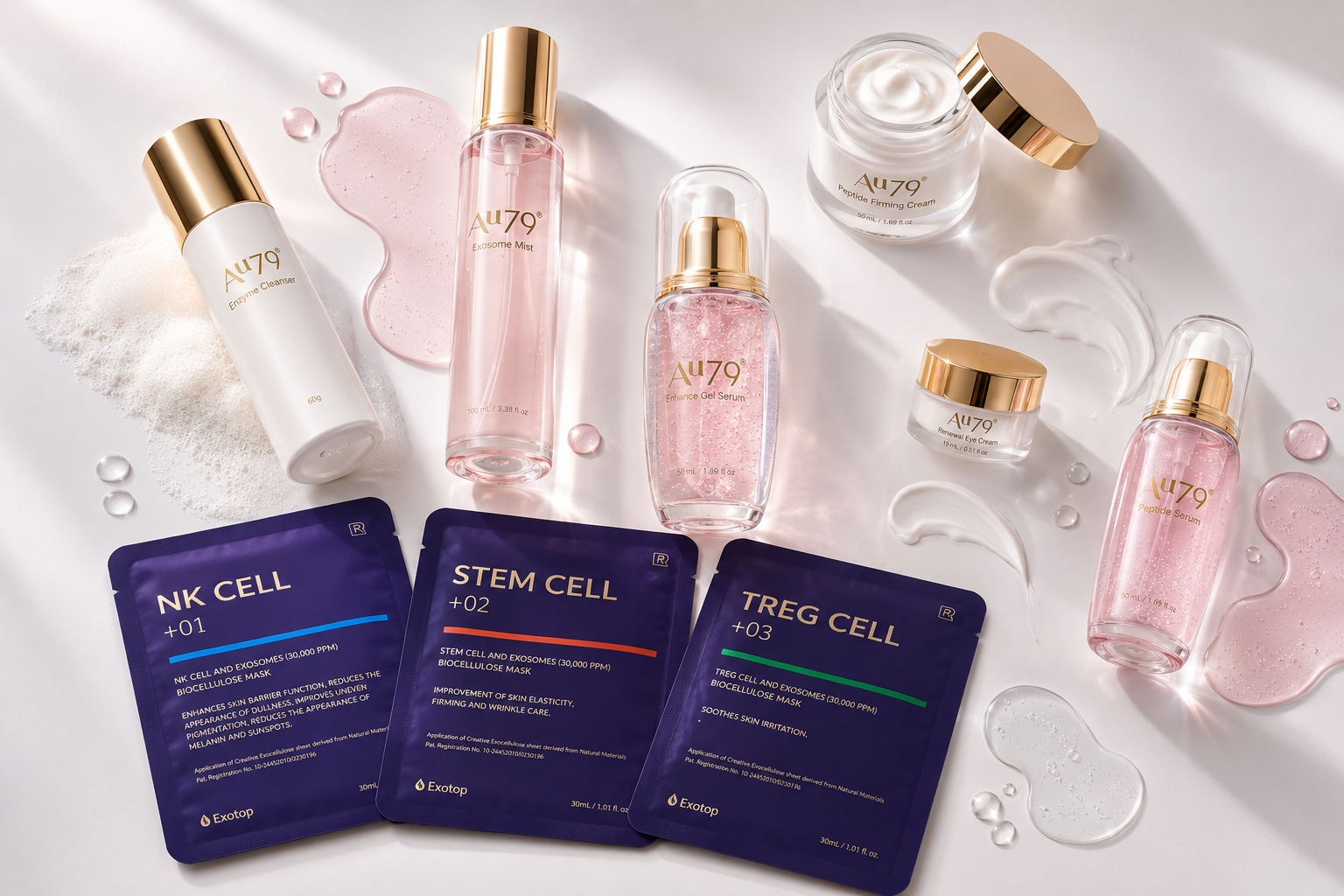
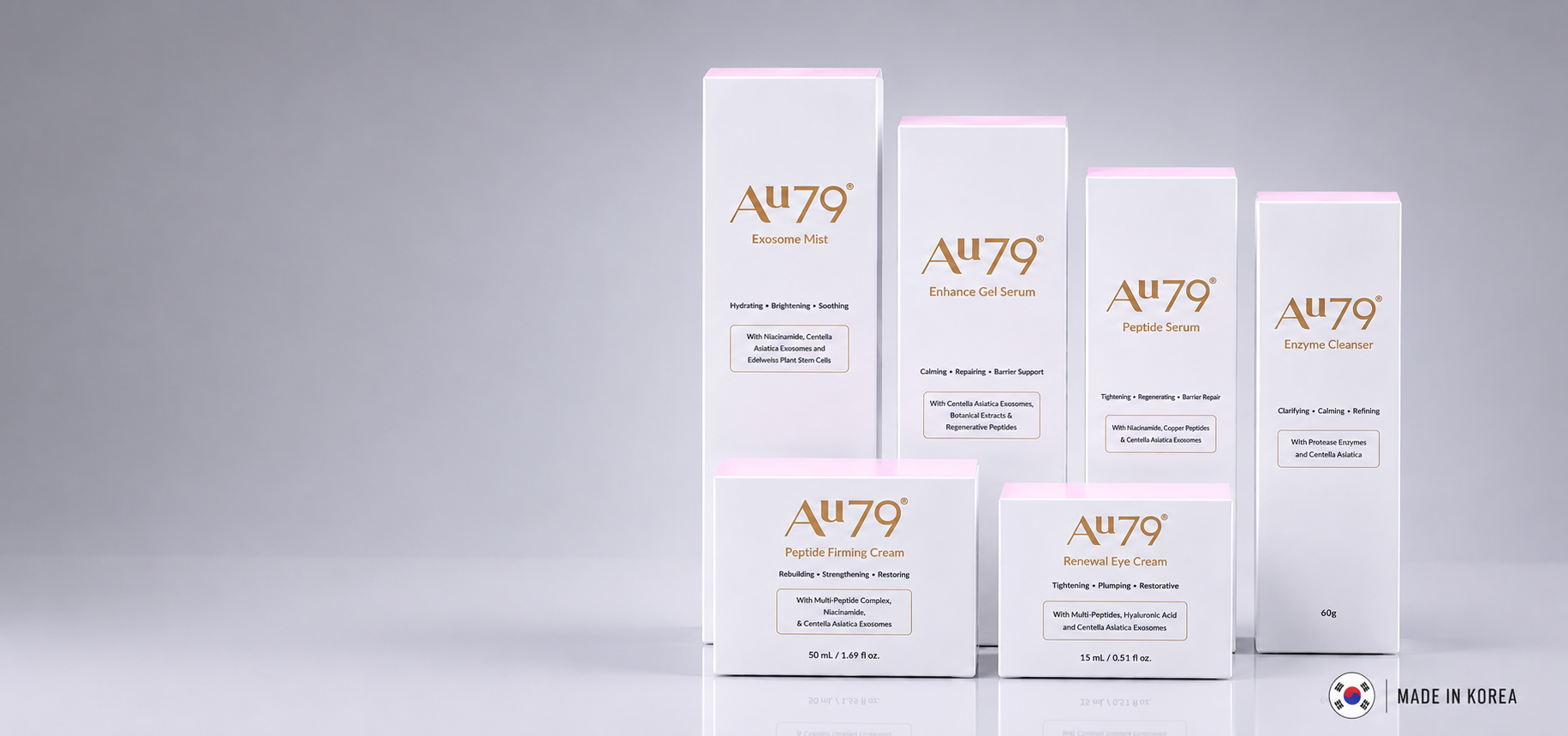
Ingredients such as peptides, ceramides, and exosomes are frequently studied for their ability to support skin health and recovery after environmental stress. Au79 products, such as the Exosome Mist and Restore Gel, were developed with this philosophy in mind: support skin function first, then appearance follows.
Sunlight Changes More Than Skin Color
Most discussions about sun exposure focus on burns.
The biological effects begin much earlier.
Ultraviolet radiation influences collagen production, pigmentation pathways, and the skin's natural repair processes. Over time, repeated exposure contributes to visible changes in texture, firmness, and tone.
Environmental Factors and Their Effects on Skin
| Environmental Input | Potential Skin Response |
|---|---|
| UV Exposure | Changes in collagen and pigmentation |
| Dry Climate | Increased moisture loss |
| Pollution | Increased oxidative stress |
| Indoor Heating | Barrier disruption |
| Air Conditioning | Surface dehydration |
These changes develop gradually.
That makes them easy to overlook until they become noticeable.
Pollution Creates Another Layer of Stress
Your skin encounters more than sunlight and weather.
Throughout the day, airborne particles from traffic, smoke, dust, and other pollutants settle on the skin's surface. Research suggests these exposures contribute to oxidative stress, which can affect normal cellular function over time.
This helps explain why skin can feel different after spending time in a busy city compared to a cleaner environment.
The goal is not to avoid every environmental exposure. That is impossible.
The goal is to help skin recover from those exposures.
This is one reason Au79 focuses heavily on ingredients involved in cellular signaling and barrier support, including exosomes and Absoro-Pep™, a nanogold peptide complex designed to support absorption and skin communication.
Your Environment Changes. Your Routine Should Too.
Many people search for a single skincare routine that works year-round.
Skin biology rarely works that way.
The products that feel right during a humid summer may not provide the same experience during winter. Travel, seasonal weather shifts, altitude changes, and indoor climate control all influence what your skin needs at a given moment.
Rather than asking:
"What is my skin type?"
It can be more useful to ask:
"What conditions is my skin responding to right now?"
That question often leads to better decisions.
Healthy skin is not simply the result of applying products. It is the result of understanding how your skin responds to the world around it and providing support where it is needed.
When you view skincare through that lens, your environment becomes part of your routine rather than something working against it.