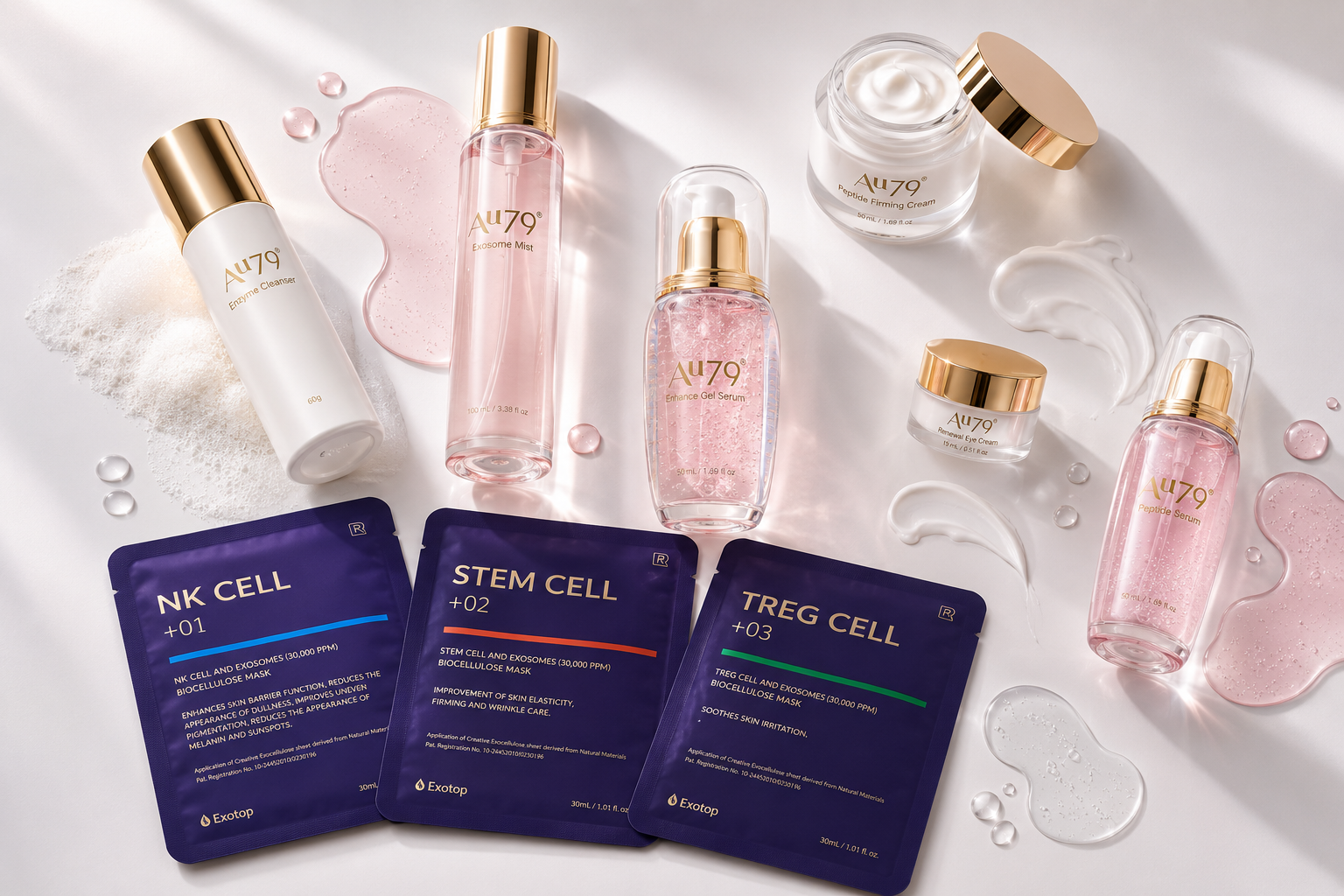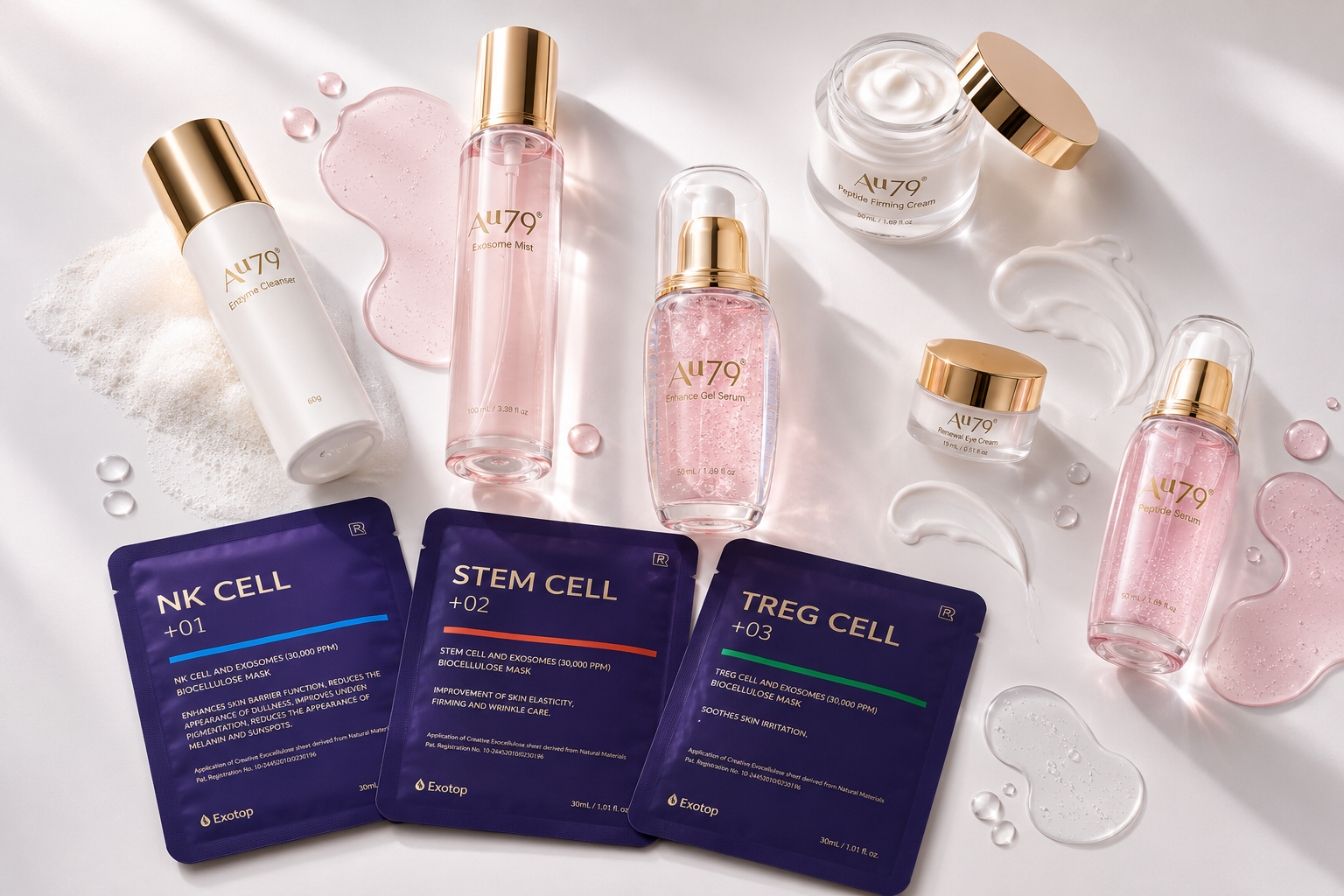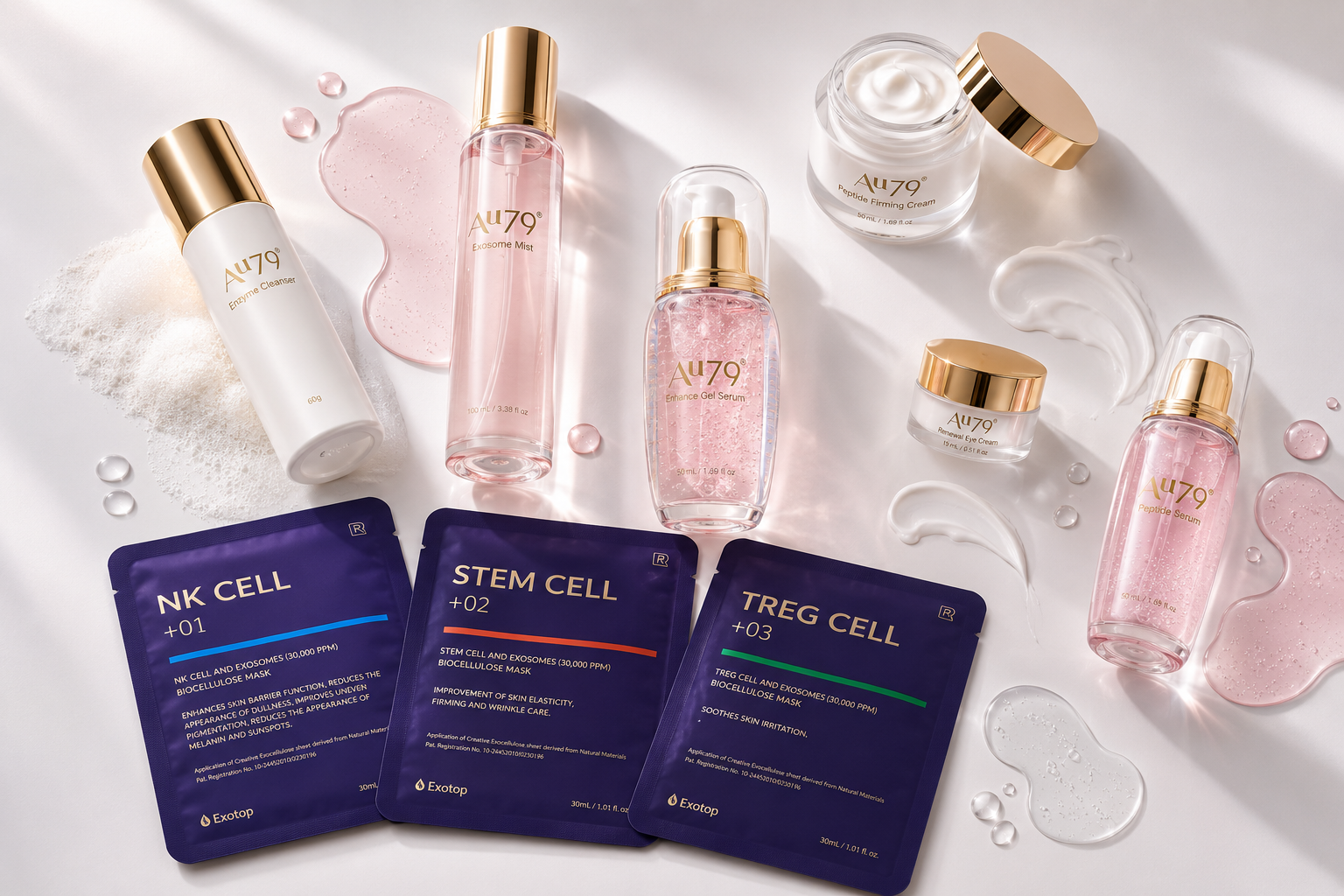

Skincare works best when products are applied with intention. As scientists, we look at skin as a living system, which helps us understand that the order in which you apply products changes how well they perform.
Layering skincare ingredients is not about adding more steps. It is about giving each ingredient the best chance to do its job.
Have you ever wondered why a great product did not deliver the results you expected? The answer is often how it was applied.
Your Skin Absorbs In Stages
Skin is selective. It does not take everything in at once.
Light, water-based formulas absorb first. Thicker, oil-based products sit closer to the surface. When you apply products out of order, heavier formulas block lighter ones from reaching the skin.
Think about what happens when oil meets water. The same principle applies here.
Proper layering helps ingredients reach the layer of skin where they work best.
Why Order Matters More Than Quantity
Using the right products in the wrong order limits their effect. Using fewer products in the correct order often works better.
When skincare is layered correctly, you support:
- Better absorption of active ingredients
- More consistent results over time
- Reduced irritation from overloading the skin
- A routine that feels lighter and more comfortable
This approach respects how skin functions rather than forcing it to adapt.
A Simple Structure For Layering Skincare Ingredients
You do not need a complicated routine. You need a logical one. A general rule is to move from lighter textures to heavier ones.
Most routines follow this flow:
- Cleanser to remove debris and buildup
- Toners or essences to hydrate and prep the skin
- Serums with targeted ingredients
- Moisturizers to seal in hydration
- Oils or balms if needed to lock everything in
Each step builds on the last. Skipping steps is fine. Mixing the order is where problems begin.
Active Ingredients Need The Right Environment
Many active ingredients rely on skin contact to work properly. Vitamin C, peptides, and exfoliating acids all perform best when applied directly to clean skin or after lightweight hydration.
If you apply a heavy cream first, those actives struggle to penetrate. The result feels like skincare is sitting on your skin instead of working with it.
Ask yourself this. Are your serums touching your skin or sitting on top of another layer?
Over-layering Can Backfire
More is not always better. Skin can only process so much at one time.
Layering too many actives can lead to sensitivity, redness, or dryness. This is not because the ingredients are poor quality. It is because skin needs balance.
Signs you may be over-layering include:
- Tightness after application
- Increased redness
- Breakouts in areas that are usually clear
- Products pilling on the skin
A thoughtful routine focuses on compatibility and order rather than volume.
Consistency Beats Complexity
Skin responds to repeated signals. When you layer ingredients correctly and use them consistently, results build over time.
This is where many people lose patience. They switch products too often or apply them randomly. Skin does not respond well to constant change.
A steady routine allows you to see what works and what does not.
Layering Supports Long-Term Skin Health
Good layering habits protect your skin barrier. That barrier controls hydration, comfort, and resilience.
When the barrier stays supported, skin looks calmer and more even. Treatments feel gentler. Moisture stays where it belongs.
This is not about quick fixes. It is about creating conditions where skin can function at its best.
Skincare Should Feel Intentional
At Au79 Care, formulation and application matter equally. Pr