




Shop Everyday Skin Essentials


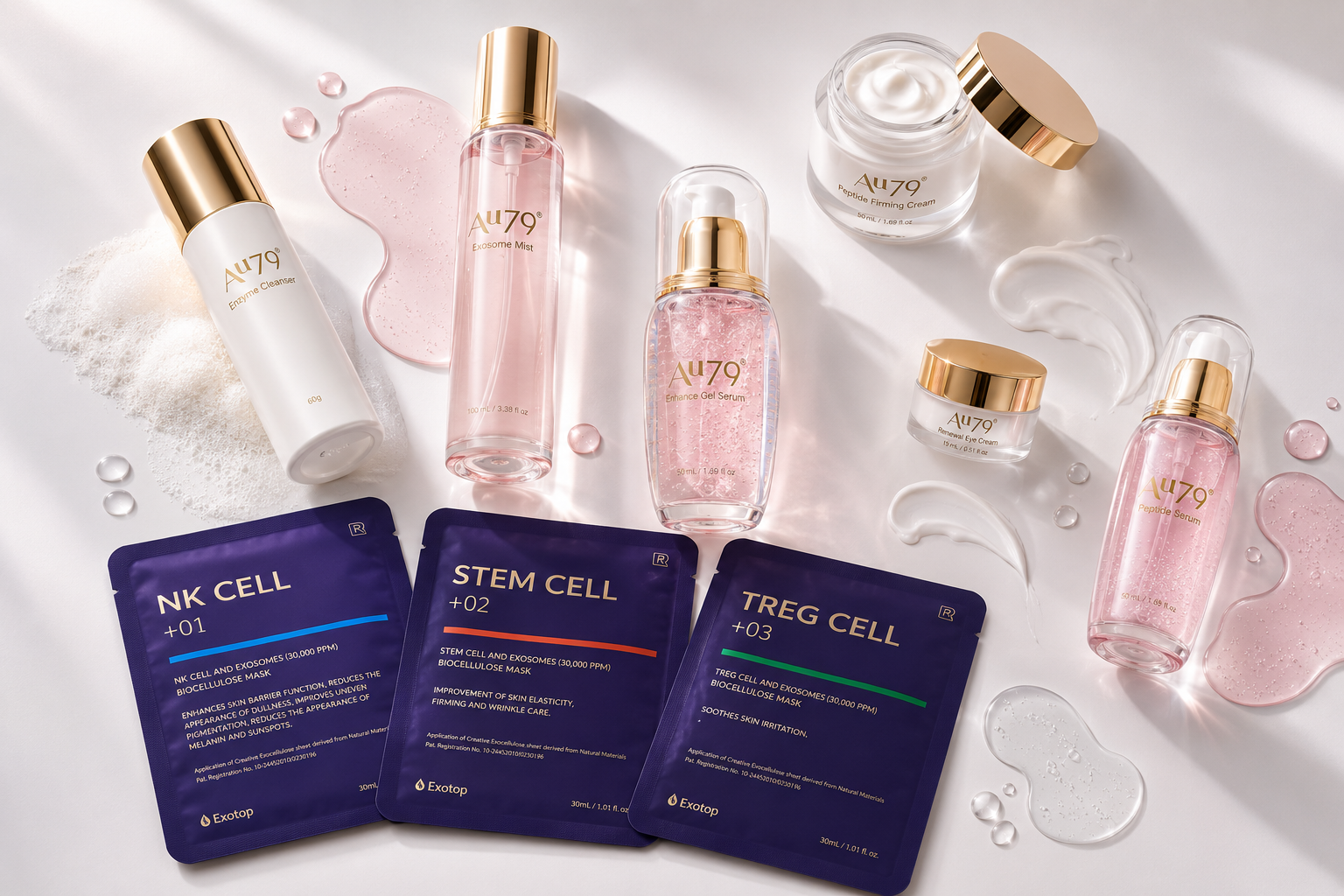
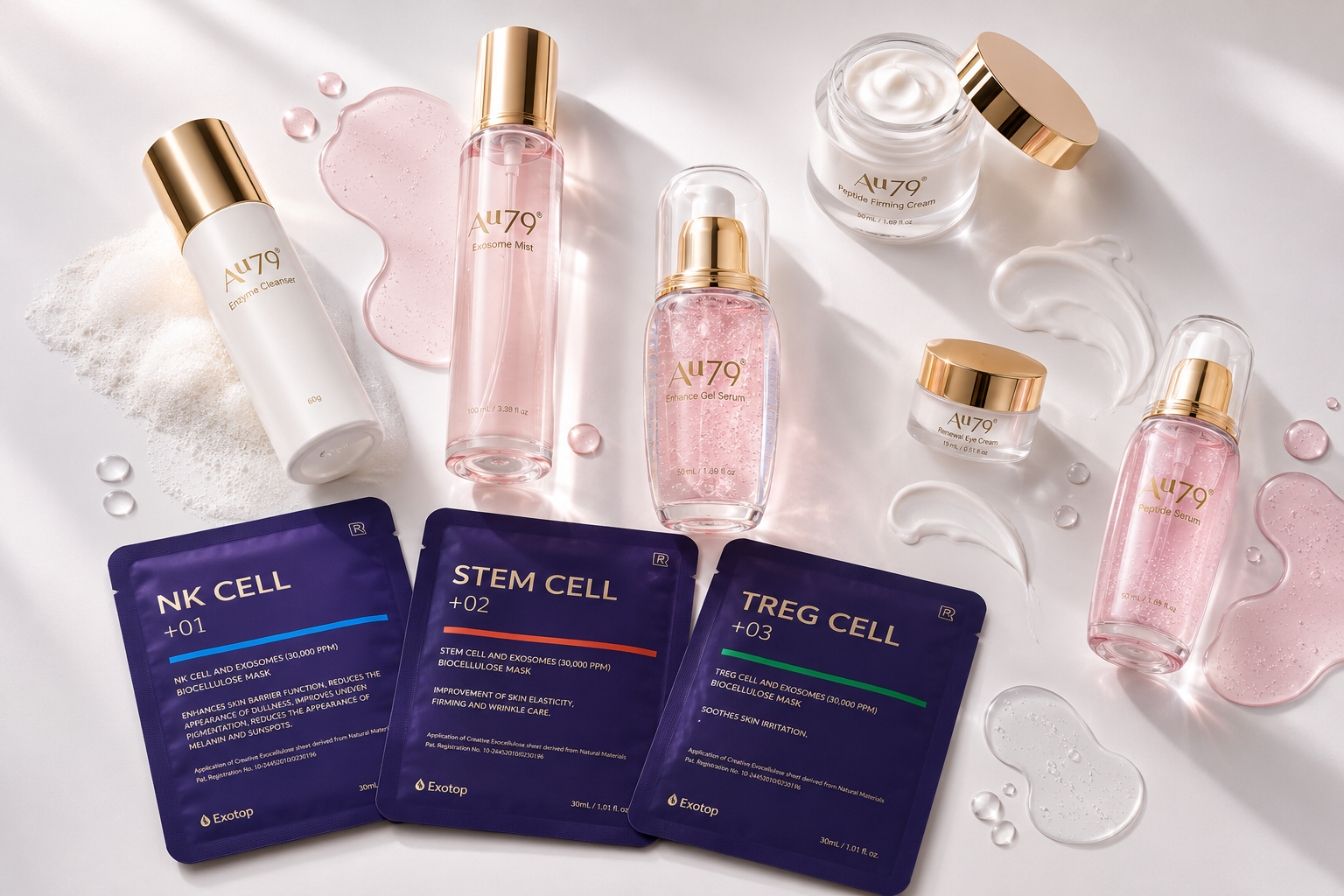
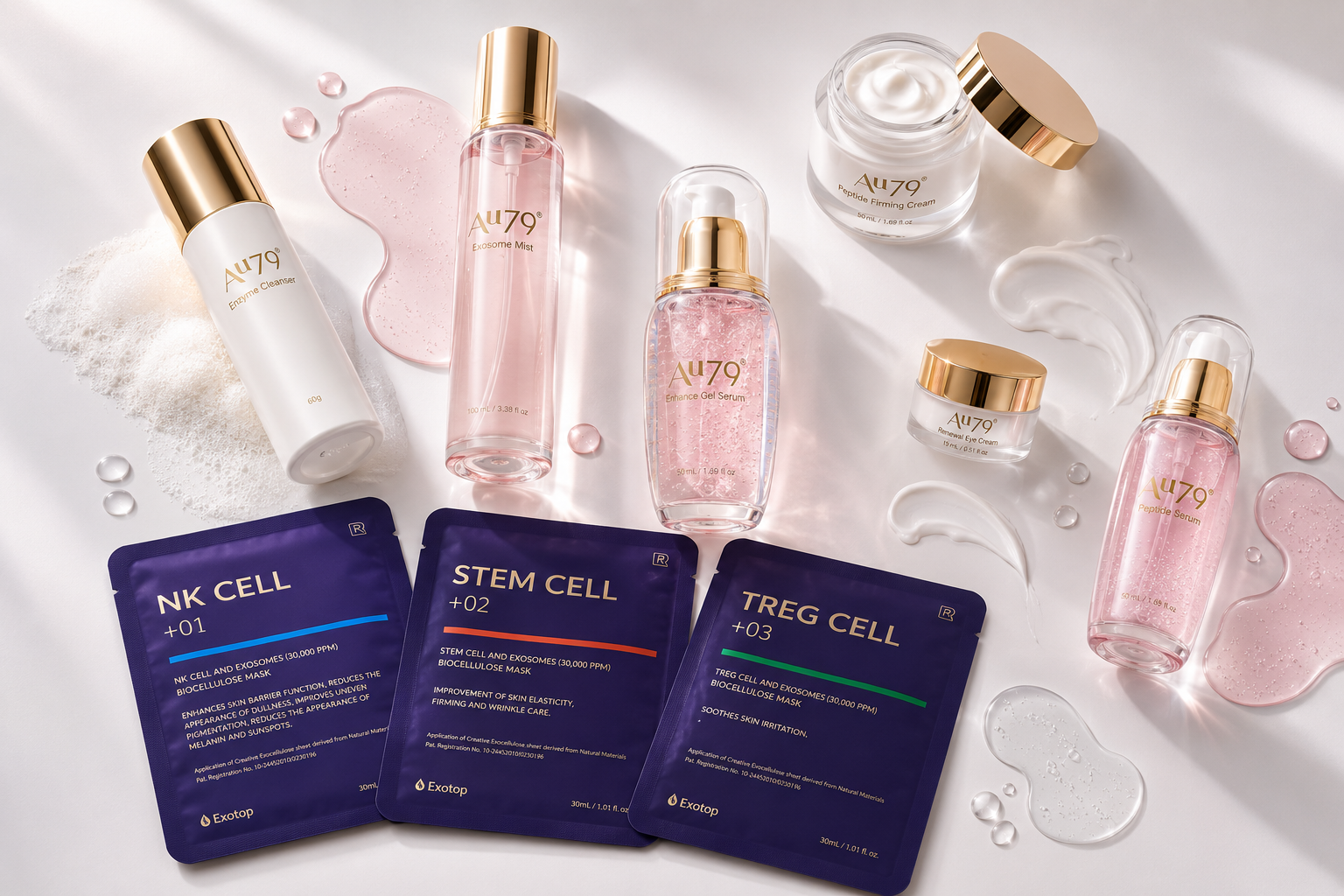
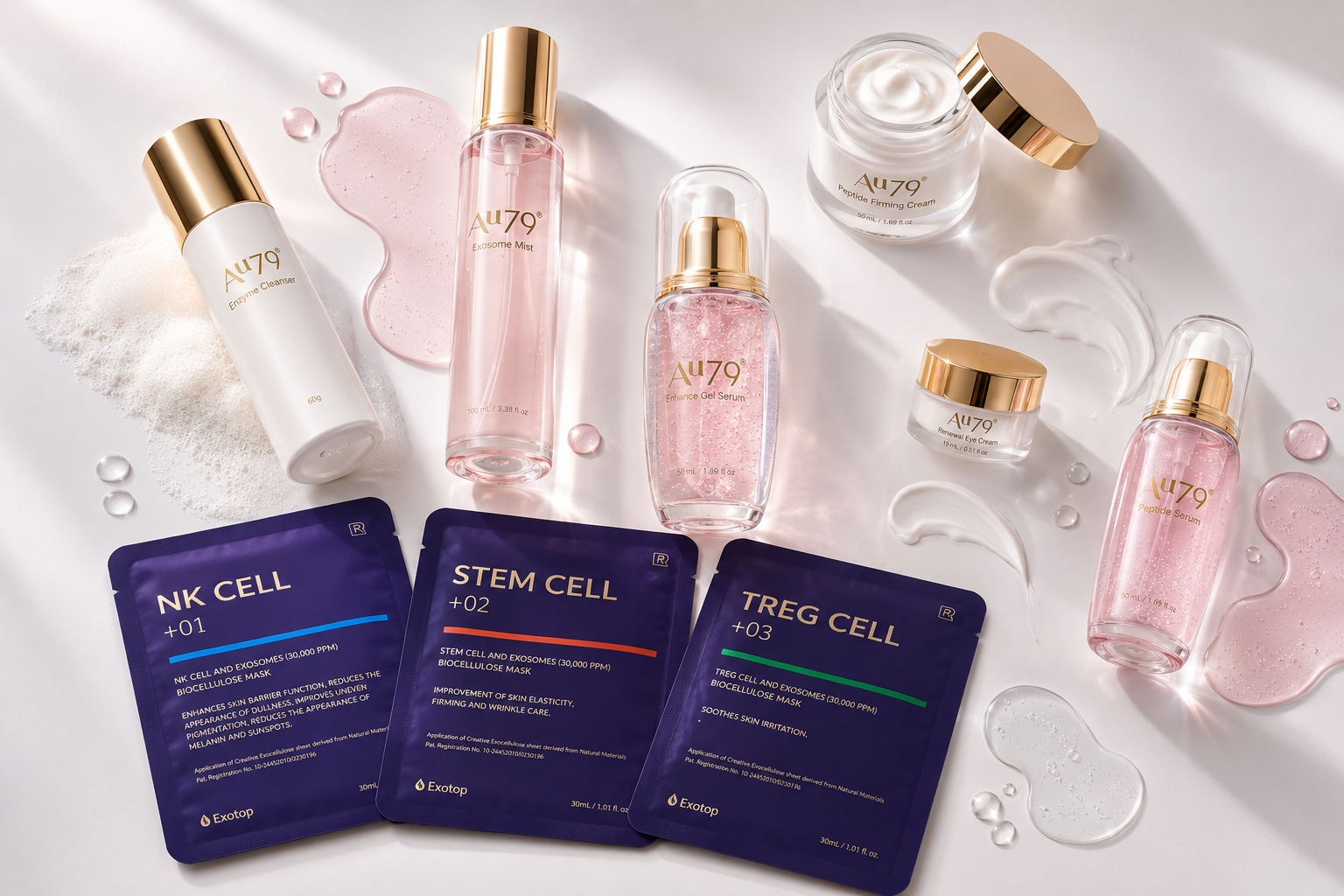
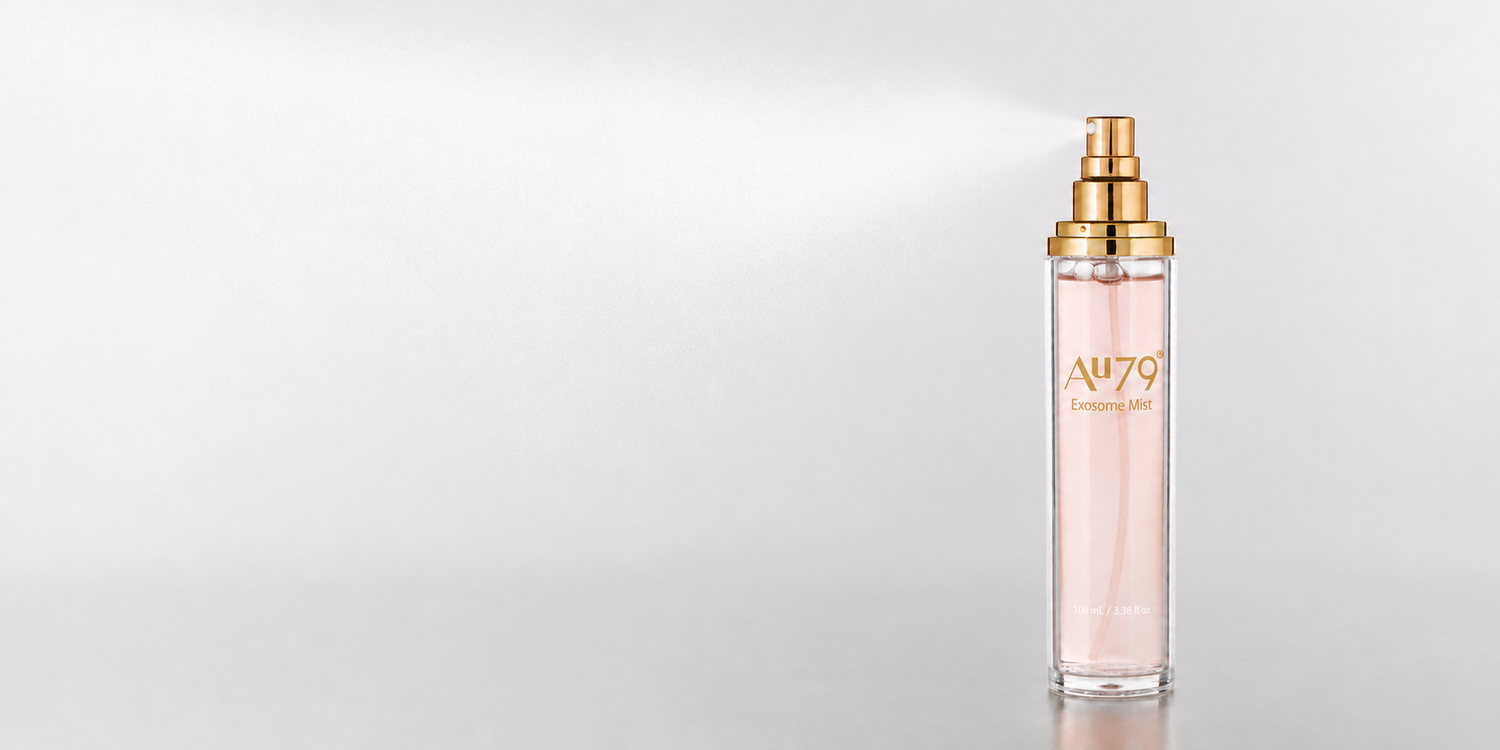
Exosome Mist


Peptide Serum


Peptide Firming Cream


Enzyme Cleanser


Enhance Gel Serum


Renewal Eye Cream


Stem Cell Mask


NK Cell Mask


Treg Cell Mask


Galvanic Wand & Restore Gel with Nanogold Peptide (Absoro-Pep)


Restore Gel

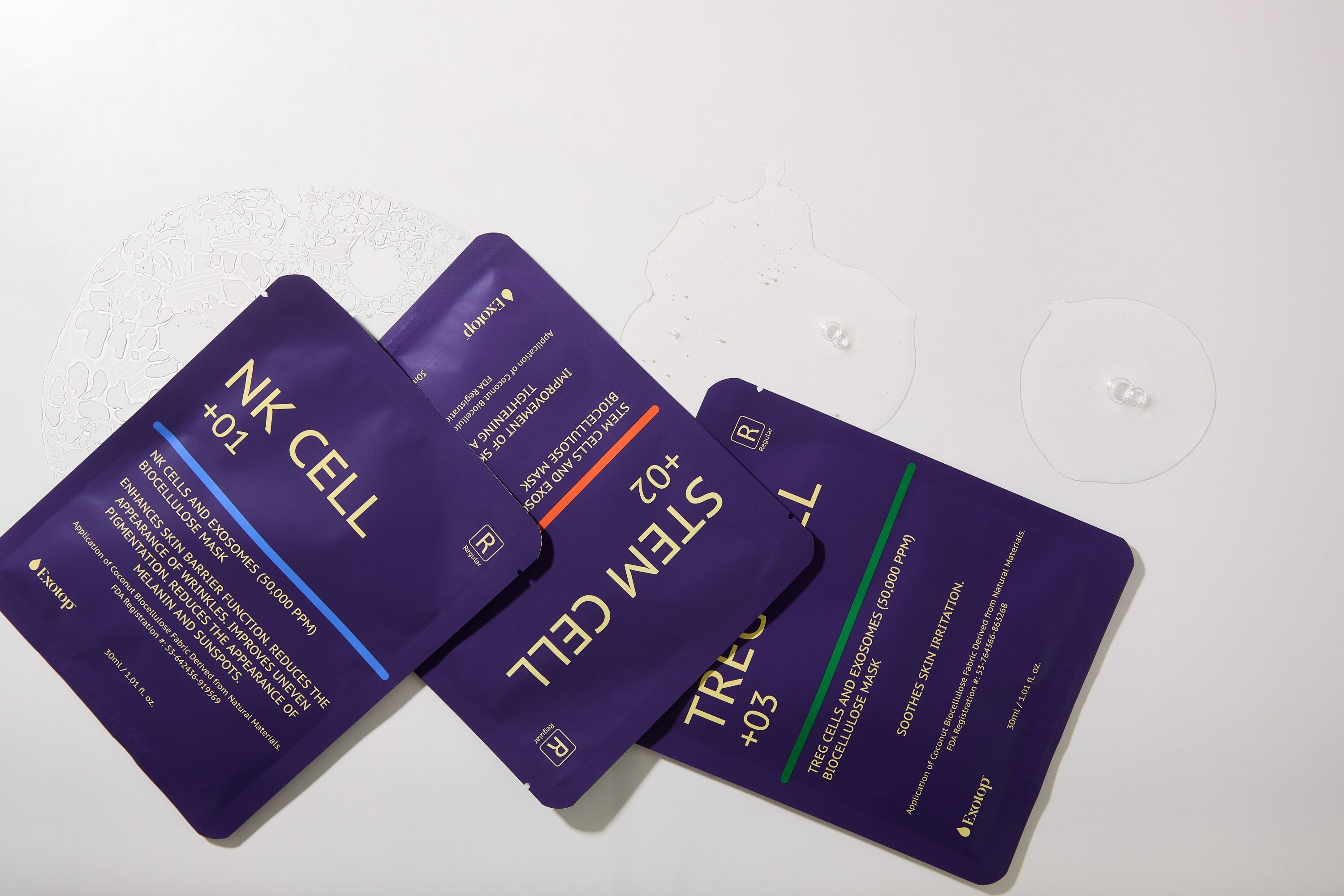
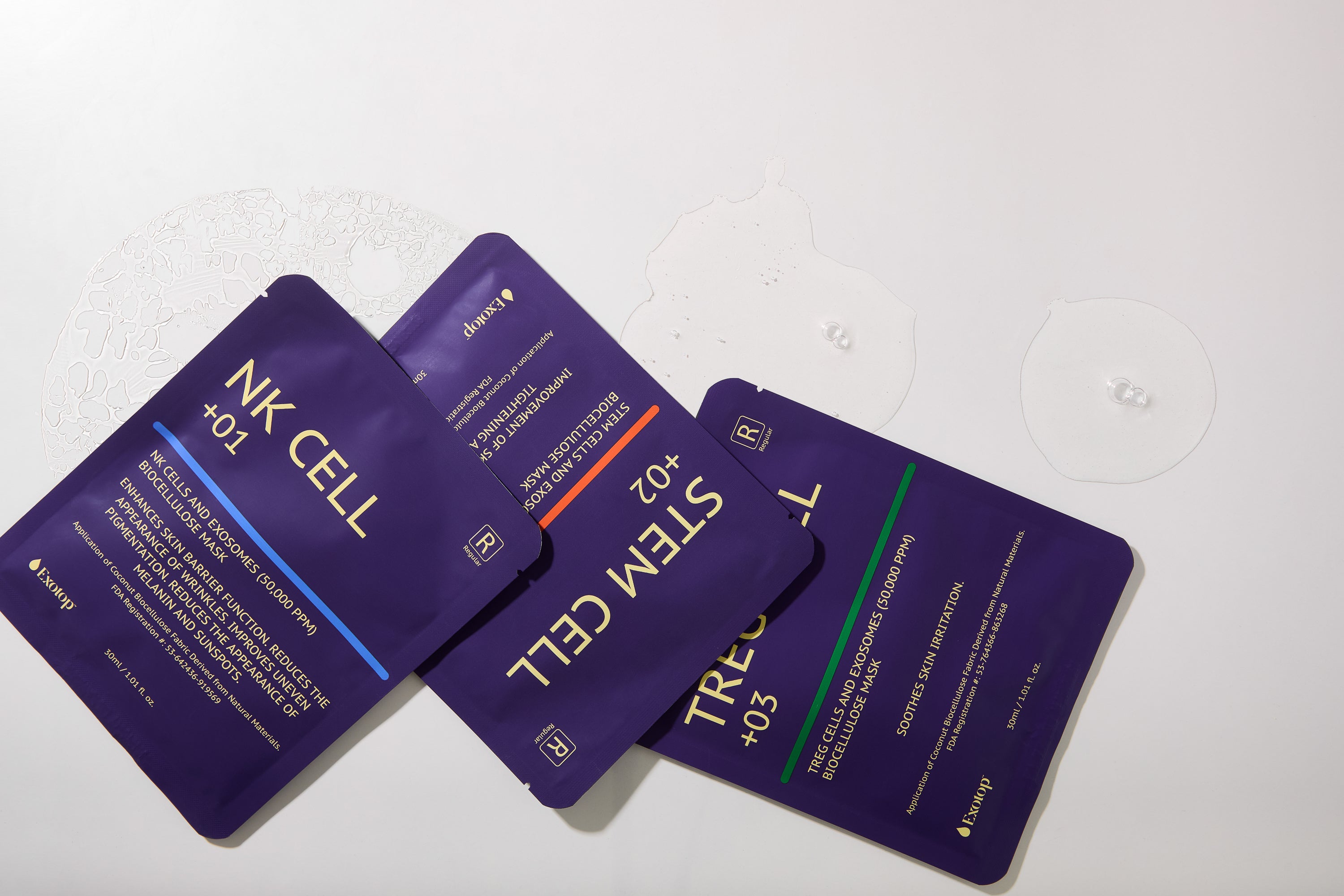
Biocellulose Face Masks for Every Skin Need
Our masks are made in Korea and come packed with exosomes and nano gold peptides to give your skin a firm, lifted and hydrated glow.
Stem Cell Mask
NK Cell Mask
Treg Cell Mask


Shop Collections



Discover the Power of Exotop Pro
Cell-derived messengers which contain growth factors, promote collagen production, reduce inflammation and accelerate skin repair.
Shop Professional Grade

Exotop Pro


Treg Cell Ampoule

Stem Cell Ampoule

Nk Cell Ampoule


Ingredients you'll love
Carefully chosen. Powerfully effective.
Get to know the ingredients behind the results.


Stay In The Loop

Why Your Skincare Routine Stops Working (and How to Fix It)
Before you replace a serum that seems to have stopped working, look at what you expected it to do. Did it soften dry patches that have since stayed smooth? Have your breakouts returned? Or have you just stopped noticing the difference you saw during the first few weeks? Those situations need different responses - a routine that maintains a result may still be doing its job. New irritation or returning symptoms deserve a closer look. The next viable step starts with identifying what changed, or didn’t. Your Results May Have Become Less Noticeable Picture this: you introduce a moisturizer, and your skin looks smoother within days. A month later, you see the same face in the mirror every morning. The improvement feels less impressive because you’ve become familiar with it. That alone doesn’t tell you the product has lost its effect. Moisturizers can temporarily soften the appearance of fine lines by increasing hydration. Continued use helps maintain that benefit. Expecting the same dramatic improvement every week can make a useful product feel disappointing. Compare your skin with its starting point. Take photos in the same lighting, without makeup or filters, and look for the specific change you wanted. Is your skin still more comfortable, or has the appearance improved? Match the Problem to the Next Step Use what you notice to decide where to investigate. Results improved, then stayed steady - check whether you’ve reached your original goal. Keep the routine consistent and track whether those improvements last. Dryness returns before the day ends - if you skip moisturizer after your serum, try adding one suited to your skin. Skin feels sore after adding products - review your routine for overlapping exfoliants or other irritating ingredients. Pause the new, nonprescription product causing discomfort. Results vary from week to week - look at how often you actually use each product. Follow the label consistently before judging performance. These checks help narrow your next routine or product change. Be careful when adding extra product or another active, as it can cause irritation without improving results. Check How You Use What You Already Own A product can fit your needs and still fall short if you miss part of its instructions. For example, Au79’s Peptide Serum contains glycerin and forms of hyaluronic acid, alongside peptides. Our directions call for application to clean, dry skin, followed by moisturizer and morning SPF. If you use the serum alone and still feel dry, add in the missing moisturizer step before replacing the product. Au79’s Peptide Firming Cream offers a richer option with glycerin, emollients, and phospholipids. Apply it after your serum, then apply sunscreen in the morning. Following the directions for your specific products could be the missing part to your skincare equation. Give Each Product a Clear Job Look at your routine and finish this sentence for each step: “I use this because I want to improve ______.” Be specific. “Less tightness after washing” gives you something to assess. “Better skin” leaves too much room for disappointment. Then review your routine: Identify products that address the same concern. Record when you started each one. Check whether you’ve used it as directed. Decide what visible or noticeable result would justify keeping it. Timing matters, too. The American Academy of Dermatology says many products targeting signs of aging need at least six weeks to show results, and some take up to three months. An early change in hydration doesn’t establish how much a product will improve other areas of concern. Make One Change You Can Evaluate Here’s an example for you to base your changes on: Suppose your cheeks feel dry every afternoon, but the rest of your routine feels comfortable - start by adjusting your moisturizer that you apply in the morning, but keep the other steps steady so you can judge whether that change actually helps. If your main concern is uneven tone, review your sun protection products before buying another brightening product. Use a broad-spectrum, water-resistant sunscreen with SPF 30 or higher, as sun exposure can contribute to the changes you’re trying to address. When a routine still falls short after consistent use, bring your product list and progress photos to a dermatologist. A clear roadmap and record of your trial and errors helps focus the conversation on what you’ve tried and what remains unresolved. Most importantly, it gives your provider the opportunity to replace or add in products that work for your exact skin type and concern. Before your next purchase, write down the single problem you want to solve. Use that answer to guide your choice from Au79’s daily skincare collection, and give the change a fair, consistent trial. Your dermatologist will know and love our ingredients and formulation process as much as your skin will.
Learn more
How Hormones and Age Can Affect Your Skin
Almost every woman realizes at some point that her skin has just stopped acting the way it did before. Maybe you see acne popping up around your jawline every single month. Or maybe the moisturizer you have trusted for years simply doesn't cut it anymore. Your skin might also start feeling dry or reactive even though you haven't changed anything in your routine. Hormones are likely playing a role here. Estrogen is there to help support moisture and collagen in the skin, while androgens such as testosterone deal more with how much oil you produce. Then there is cortisol, which affects inflammation and can make skin problems that already exist feel much harder to handle. Now none of this happens in a perfect straight line. Levels of hormones shift across your cycle and change even more when you go through pregnancy or perimenopause and menopause. That is precisely why a routine that felt beautiful five years ago might suddenly feel totally wrong. A Small Note on Young Skin Puberty is generally the time when hormones first make themselves known on the skin. Oil glands become more active as androgen levels climb. This increase in oil means pores get clogged more easily, and that is one big reason why acne is so common during the teenage years. But for women moving into their 30s and older, the more important question is actually what happens later on. Your 30s: Acne Does Not Always End in the Teens Having adult hormonal acne is quite common, and it does not always look like the stuff you dealt with at sixteen. Many women notice blemishes specifically around the chin or jaw. These often appear at roughly the same point in the menstrual cycle before they vanish again. Because estrogen and progesterone rise and fall each month, these shifts can influence skin hydration and oil production. Does that sound familiar? If so, you should start tracking it. You do not need a fancy spreadsheet. Just pay attention to when breakouts occur and how your skin feels during the week before your period compared to the week after. You might find that your skin turns oily for a couple of days and then swings right back to being dry. When hydration is the main struggle, the Au79 Exosome Mist is a simple product to add in since it uses panthenol and sodium hyaluronate for moisture, along with allantoin and centella asiatica. Pregnancy Can Mess Up Your Normal Routine Skin during pregnancy is just unpredictable. You could develop acne after years of having clear skin or suddenly feel incredibly dry. Pigmentation also becomes more visible, especially melasma, which is tied to those hormonal shifts during pregnancy. We would suggest not overcomplicating skincare during this phase. Just stick with the products your skin handles well and keep using sunscreen. Also, if you are ever unsure if an ingredient is okay during pregnancy, you should ask your OB-GYN or dermatologist rather than trusting random social media advice. Usually, simple is enough. Perimenopause Is When Things Shift Again Perimenopause often starts sooner than many women think it will. Skin might feel drier, and the texture can change. Even some products that never bothered you before might start to sting now. There is a real biological reason for this. Collagen production drops and skin loses moisture more easily as estrogen starts to decline. At the same time, oil production usually drops too. This is typically the moment when you should stop worrying so much about controlling oil and start looking at how the skin barrier is holding up. If your face feels tight right after cleansing, that is a huge clue. Another sign is if you are using lots of acids because you worry about texture, but your skin is just constantly irritated. The Au79 Peptide Serum works well here because it mixes hydrating ingredients with peptides. For those needing something thicker, the Peptide Firming Cream has lipids and peptides that help hold onto moisture. After Menopause, More Is Not Always Better Once estrogen stays low, dryness and loss of elasticity usually become more obvious. The skin can also grow thinner and become less tolerant of treatments that are too aggressive. Lots of women try to fix this by piling on more products. But we would be very careful with that approach. If you are using acids and retinoids and various exfoliants but your skin feels sore all the time, then your routine is likely doing too much. Sometimes the best move is to just simplify things and let the skin settle down. For Those Providing Skincare and Dermatologists Talking about hormonal history should be part of the skincare conversation. If a patient mentions acne appearing suddenly in her 30s, ask about the timing. Does it follow the menstrual cycle? Did it begin after a pregnancy? Have any other changes happened during perimenopause? These small details really matter. The same goes for sensitivity or dryness. A woman who cannot stand products she used for years might not need a stronger fix. She might actually need a completely different routine. Providers can also spot when something is more than just normal hormonal changes. Severe acne or new facial hair, sudden pigment changes and significant hair loss might need a deeper medical look. Recommendations for products should follow the actual person and not just an age group. Your Skin Tells You Important Things You don’t have to reinvent your whole routine every single year. But you probably should not expect it to remain exactly the same forever either. Watch for when your skin changes and note what makes it feel better or what causes irritation out of nowhere. Hormones are often the reason behind it. Once you realize that, adjusting your skincare becomes a lot less confusing. Check out the daily skincare collection from Au79 for products that help with hydration and the changing needs of skin throughout adulthood.
Learn more
Does Skin Cycling Actually Work? | Au79 Care
Skin Cycling: Does It Work and Who Should Try It? Retinol on Monday. Exfoliating acid on Tuesday. Another active on Wednesday. When your skincare routine includes several active ingredients, it can become difficult to know how often to use each one. Using everything every night may sound productive, but your skin may disagree. Skin cycling takes a different approach. Instead of applying the same active ingredients nightly, you rotate them through a planned schedule. The goal is simple: give active ingredients time to work while building recovery into your routine. What Is Skin Cycling? A basic skin cycling routine typically follows a four-night schedule: Night Focus What You Do Night 1 Exfoliation Use a chemical exfoliant to address dead skin buildup. Night 2 Retinoid Apply your retinol or retinoid product. Night 3 Recovery Skip strong actives and focus on hydration. Night 4 Recovery Continue supporting hydration and your skin barrier. Then you repeat the cycle. The exact schedule can change based on your skin. Someone who already tolerates retinoids well may need fewer recovery nights. Someone with dry or reactive skin may need more. The schedule matters less than the principle behind it. You are giving your skin active treatment followed by intentional recovery. Does Skin Cycling Actually Work? Skin cycling itself is not a specific treatment. It is a method for scheduling products. Its value comes from helping you control how often you use ingredients that can cause dryness or irritation. Consider retinoids. You may want their benefits for texture, fine lines, or breakouts, but nightly use can be difficult for some skin types. Exfoliating acids can create a similar problem when used too frequently. Skin cycling separates these products. That can make it easier to identify how your skin responds to each active and recognize when you may be doing too much. Ask yourself: Are you changing products because they are not working, or are you simply using too many at once to understand what your skin needs? Your Recovery Nights Still Need a Purpose Recovery does not mean doing nothing. These nights shift your attention toward moisture and barrier support. After cleansing, choose products that hydrate without adding another aggressive active to your routine. Au79 Peptide Serum provides hydration while supporting the appearance of fine lines, uneven tone, and overall skin quality. You can follow your serum with Au79 Peptide Firming Cream. Its combination of peptides, lipids, and plant-derived exosomes supports hydration, elasticity, and the skin barrier. If your skin feels especially dry or reactive, consider simplifying even further. Au79 Restore Gel contains ceramides, niacinamide, collagen, aloe, and centella asiatica to support hydration and barrier function. Who Might Benefit From Skin Cycling? Skin cycling may be worth trying if: You are introducing retinol or exfoliating acids into your routine. Your skin frequently feels dry after using active ingredients. You struggle to decide which products to use on which nights. You tend to layer several active ingredients at once. You want a more structured evening skincare schedule. It can also help if you have accumulated products without a clear plan for using them. Instead of asking, “How can I fit every product into my routine?” ask, “What does my skin need tonight?” That small change can make your routine easier to manage. When a Four-Night Cycle May Not Fit You do not need to follow the viral four-night schedule exactly. If your current routine works well, skin cycling may add structure you do not need. Your skin may also need a different ratio of treatment nights to recovery nights. Pay attention to how your skin responds. Persistent tightness, flaking, redness, or discomfort after your active nights can signal that your skin needs more recovery time. If your skin comfortably tolerates your routine, you may eventually adjust the frequency. Build Your Cycle Around Your Skin Skin cycling works best as a framework, not a rigid set of rules. Start with the products you already use. Identify which ones contain stronger active ingredients. Separate those treatments, then build hydration-focused nights between them. Keep your morning routine consistent with gentle cleansing, hydration, moisturizer, and SPF. For recovery nights, explore Au79 Care’s daily skincare collection for products designed to support hydration, skin quality, and barrier care. The goal is not to follow a skincare trend perfectly. It is to create a schedule your skin can tolerate consistently. Sometimes getting more from your skincare starts with knowing when to use less.
Learn more