
News

How Hormones and Age Can Affect Your Skin
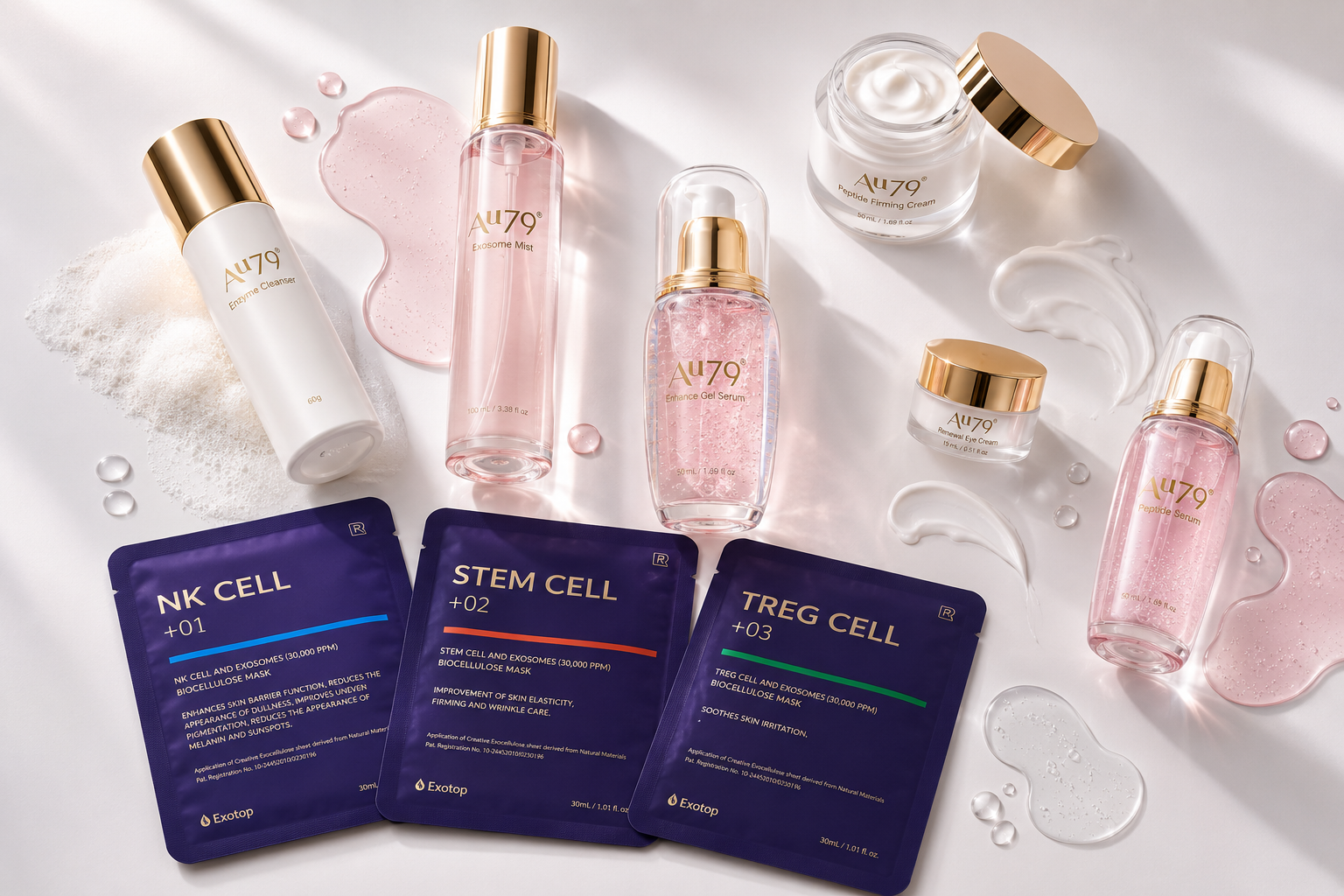
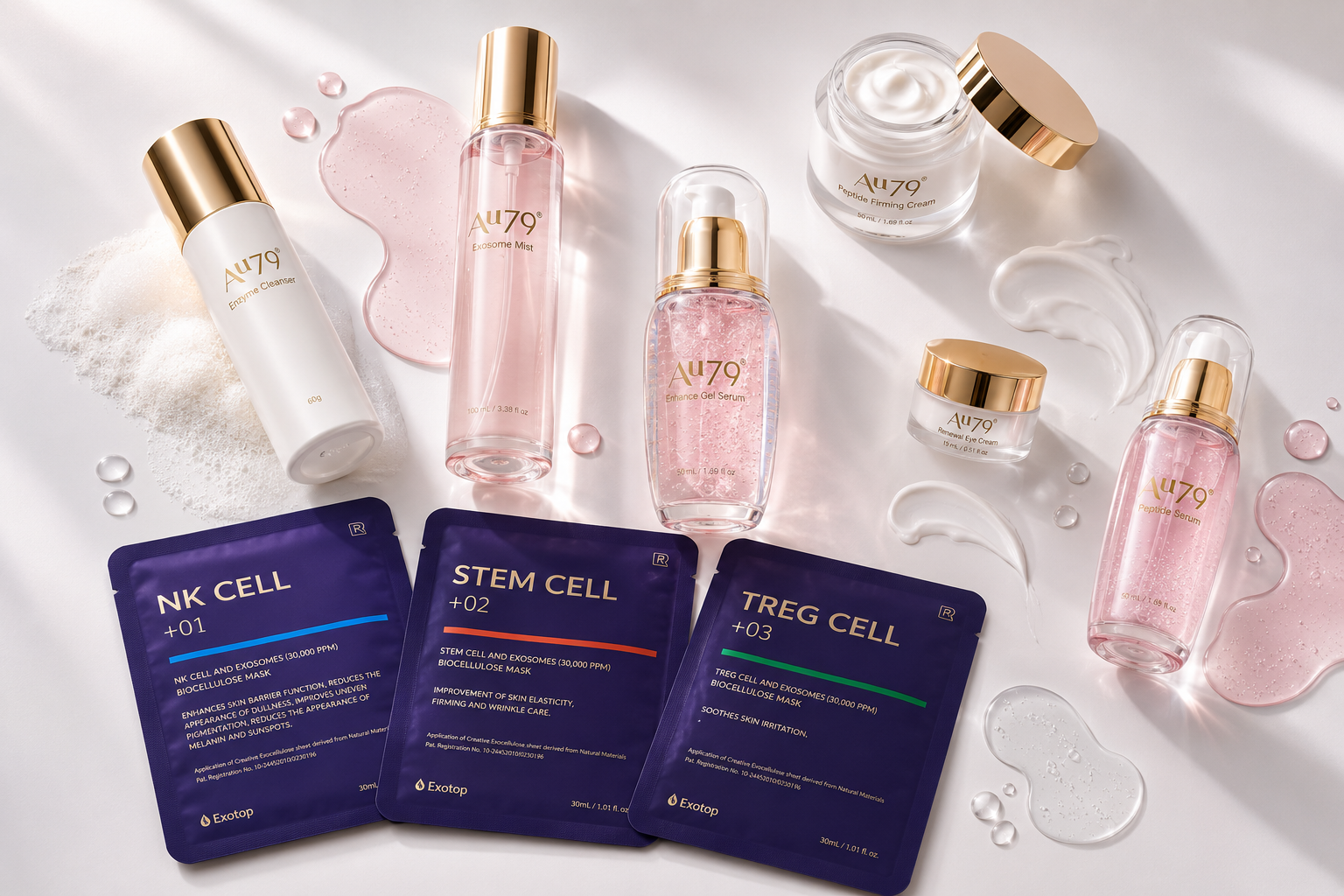
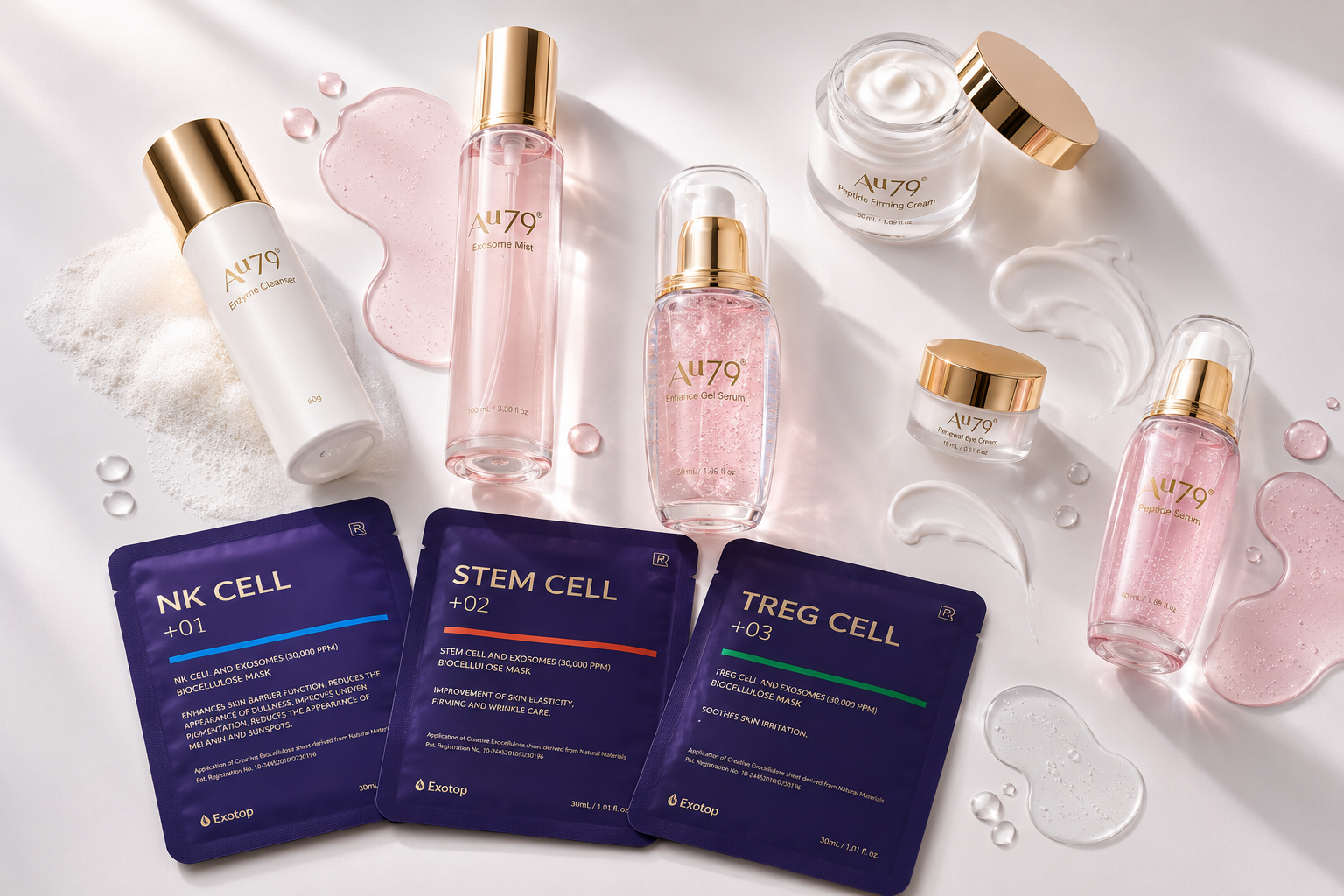
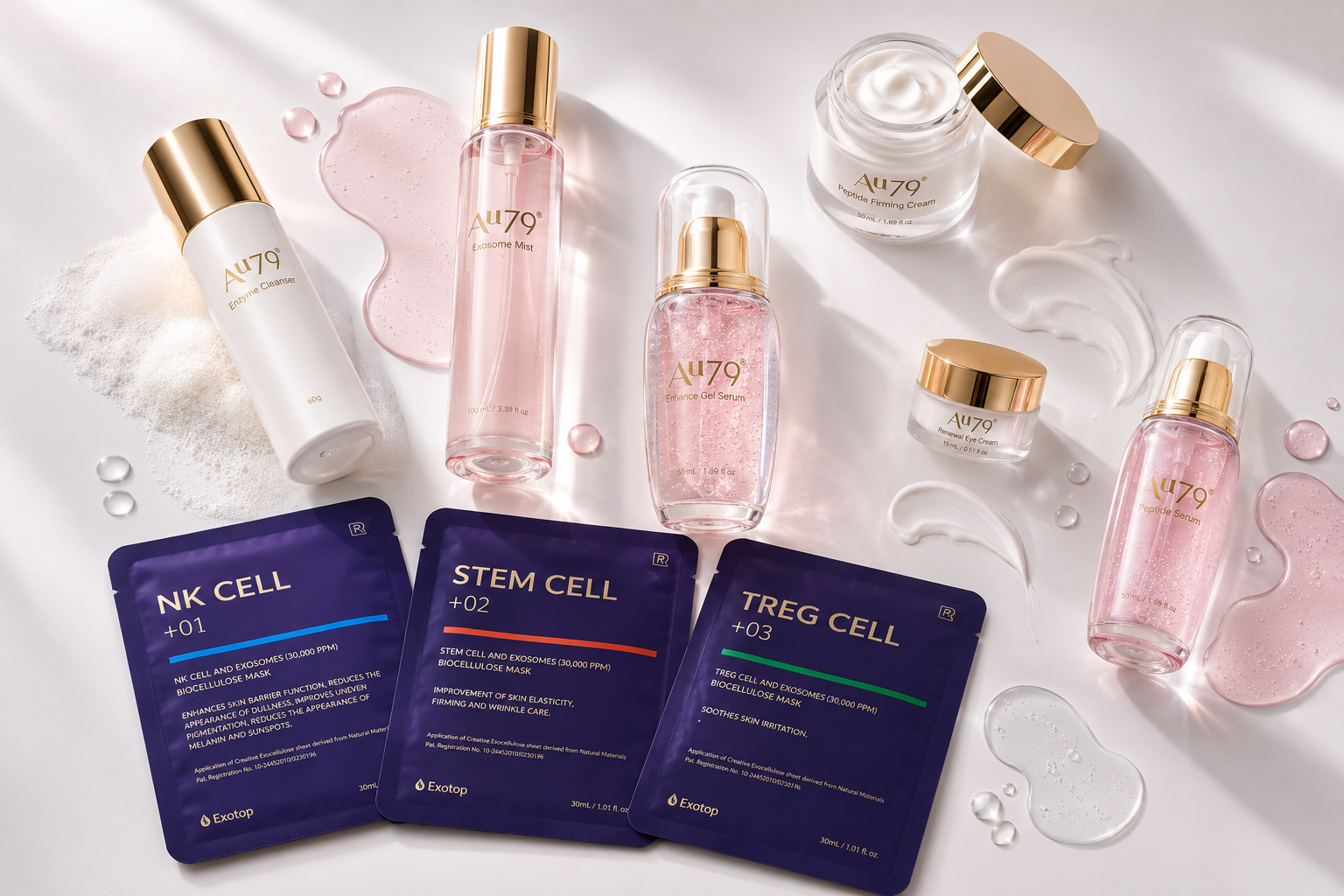
Almost every woman realizes at some point that her skin has just stopped acting the way it did before. Maybe you see acne popping up around your jawline every single month. Or maybe the moisturizer you have trusted for years simply doesn't cut it anymore. Your skin might also start feeling dry or reactive even though you haven't changed anything in your routine. Hormones are likely playing a role here. Estrogen is there to help support moisture and collagen in the skin, while androgens such as testosterone deal more with how much oil you produce. Then there is cortisol, which affects inflammation and can make skin problems that already exist feel much harder to handle. Now none of this happens in a perfect straight line. Levels of hormones shift across your cycle and change even more when you go through pregnancy or perimenopause and menopause. That is precisely why a routine that felt beautiful five years ago might suddenly feel totally wrong. A Small Note on Young Skin Puberty is generally the time when hormones first make themselves known on the skin. Oil glands become more active as androgen levels climb. This increase in oil means pores get clogged more easily, and that is one big reason why acne is so common during the teenage years. But for women moving into their 30s and older, the more important question is actually what happens later on. Your 30s: Acne Does Not Always End in the Teens Having adult hormonal acne is quite common, and it does not always look like the stuff you dealt with at sixteen. Many women notice blemishes specifically around the chin or jaw. These often appear at roughly the same point in the menstrual cycle before they vanish again. Because estrogen and progesterone rise and fall each month, these shifts can influence skin hydration and oil production. Does that sound familiar? If so, you should start tracking it. You do not need a fancy spreadsheet. Just pay attention to when breakouts occur and how your skin feels during the week before your period compared to the week after. You might find that your skin turns oily for a couple of days and then swings right back to being dry. When hydration is the main struggle, the Au79 Exosome Mist is a simple product to add in since it uses panthenol and sodium hyaluronate for moisture, along with allantoin and centella asiatica. Pregnancy Can Mess Up Your Normal Routine Skin during pregnancy is just unpredictable. You could develop acne after years of having clear skin or suddenly feel incredibly dry. Pigmentation also becomes more visible, especially melasma, which is tied to those hormonal shifts during pregnancy. We would suggest not overcomplicating skincare during this phase. Just stick with the products your skin handles well and keep using sunscreen. Also, if you are ever unsure if an ingredient is okay during pregnancy, you should ask your OB-GYN or dermatologist rather than trusting random social media advice. Usually, simple is enough. Perimenopause Is When Things Shift Again Perimenopause often starts sooner than many women think it will. Skin might feel drier, and the texture can change. Even some products that never bothered you before might start to sting now. There is a real biological reason for this. Collagen production drops and skin loses moisture more easily as estrogen starts to decline. At the same time, oil production usually drops too. This is typically the moment when you should stop worrying so much about controlling oil and start looking at how the skin barrier is holding up. If your face feels tight right after cleansing, that is a huge clue. Another sign is if you are using lots of acids because you worry about texture, but your skin is just constantly irritated. The Au79 Peptide Serum works well here because it mixes hydrating ingredients with peptides. For those needing something thicker, the Peptide Firming Cream has lipids and peptides that help hold onto moisture. After Menopause, More Is Not Always Better Once estrogen stays low, dryness and loss of elasticity usually become more obvious. The skin can also grow thinner and become less tolerant of treatments that are too aggressive. Lots of women try to fix this by piling on more products. But we would be very careful with that approach. If you are using acids and retinoids and various exfoliants but your skin feels sore all the time, then your routine is likely doing too much. Sometimes the best move is to just simplify things and let the skin settle down. For Those Providing Skincare and Dermatologists Talking about hormonal history should be part of the skincare conversation. If a patient mentions acne appearing suddenly in her 30s, ask about the timing. Does it follow the menstrual cycle? Did it begin after a pregnancy? Have any other changes happened during perimenopause? These small details really matter. The same goes for sensitivity or dryness. A woman who cannot stand products she used for years might not need a stronger fix. She might actually need a completely different routine. Providers can also spot when something is more than just normal hormonal changes. Severe acne or new facial hair, sudden pigment changes and significant hair loss might need a deeper medical look. Recommendations for products should follow the actual person and not just an age group. Your Skin Tells You Important Things You don’t have to reinvent your whole routine every single year. But you probably should not expect it to remain exactly the same forever either. Watch for when your skin changes and note what makes it feel better or what causes irritation out of nowhere. Hormones are often the reason behind it. Once you realize that, adjusting your skincare becomes a lot less confusing. Check out the daily skincare collection from Au79 for products that help with hydration and the changing needs of skin throughout adulthood.
Learn more
Does Skin Cycling Actually Work? | Au79 Care
Skin Cycling: Does It Work and Who Should Try It? Retinol on Monday. Exfoliating acid on Tuesday. Another active on Wednesday. When your skincare routine includes several active ingredients, it can become difficult to know how often to use each one. Using everything every night may sound productive, but your skin may disagree. Skin cycling takes a different approach. Instead of applying the same active ingredients nightly, you rotate them through a planned schedule. The goal is simple: give active ingredients time to work while building recovery into your routine. What Is Skin Cycling? A basic skin cycling routine typically follows a four-night schedule: Night Focus What You Do Night 1 Exfoliation Use a chemical exfoliant to address dead skin buildup. Night 2 Retinoid Apply your retinol or retinoid product. Night 3 Recovery Skip strong actives and focus on hydration. Night 4 Recovery Continue supporting hydration and your skin barrier. Then you repeat the cycle. The exact schedule can change based on your skin. Someone who already tolerates retinoids well may need fewer recovery nights. Someone with dry or reactive skin may need more. The schedule matters less than the principle behind it. You are giving your skin active treatment followed by intentional recovery. Does Skin Cycling Actually Work? Skin cycling itself is not a specific treatment. It is a method for scheduling products. Its value comes from helping you control how often you use ingredients that can cause dryness or irritation. Consider retinoids. You may want their benefits for texture, fine lines, or breakouts, but nightly use can be difficult for some skin types. Exfoliating acids can create a similar problem when used too frequently. Skin cycling separates these products. That can make it easier to identify how your skin responds to each active and recognize when you may be doing too much. Ask yourself: Are you changing products because they are not working, or are you simply using too many at once to understand what your skin needs? Your Recovery Nights Still Need a Purpose Recovery does not mean doing nothing. These nights shift your attention toward moisture and barrier support. After cleansing, choose products that hydrate without adding another aggressive active to your routine. Au79 Peptide Serum provides hydration while supporting the appearance of fine lines, uneven tone, and overall skin quality. You can follow your serum with Au79 Peptide Firming Cream. Its combination of peptides, lipids, and plant-derived exosomes supports hydration, elasticity, and the skin barrier. If your skin feels especially dry or reactive, consider simplifying even further. Au79 Restore Gel contains ceramides, niacinamide, collagen, aloe, and centella asiatica to support hydration and barrier function. Who Might Benefit From Skin Cycling? Skin cycling may be worth trying if: You are introducing retinol or exfoliating acids into your routine. Your skin frequently feels dry after using active ingredients. You struggle to decide which products to use on which nights. You tend to layer several active ingredients at once. You want a more structured evening skincare schedule. It can also help if you have accumulated products without a clear plan for using them. Instead of asking, “How can I fit every product into my routine?” ask, “What does my skin need tonight?” That small change can make your routine easier to manage. When a Four-Night Cycle May Not Fit You do not need to follow the viral four-night schedule exactly. If your current routine works well, skin cycling may add structure you do not need. Your skin may also need a different ratio of treatment nights to recovery nights. Pay attention to how your skin responds. Persistent tightness, flaking, redness, or discomfort after your active nights can signal that your skin needs more recovery time. If your skin comfortably tolerates your routine, you may eventually adjust the frequency. Build Your Cycle Around Your Skin Skin cycling works best as a framework, not a rigid set of rules. Start with the products you already use. Identify which ones contain stronger active ingredients. Separate those treatments, then build hydration-focused nights between them. Keep your morning routine consistent with gentle cleansing, hydration, moisturizer, and SPF. For recovery nights, explore Au79 Care’s daily skincare collection for products designed to support hydration, skin quality, and barrier care. The goal is not to follow a skincare trend perfectly. It is to create a schedule your skin can tolerate consistently. Sometimes getting more from your skincare starts with knowing when to use less.
Learn more
The Truth About "Medical Grade" Skincare
The Truth About “Medical Grade” Skincare One of the most popular buzzwords in the skincare industry is “medical grade,” but what does that actually mean? Despite sounding like an official designation, “medical grade” skincare is not regulated any differently than other skincare brands. Instead of looking for labels like medical grade, it’s important for consumers to look at the actual ingredients listed, as well as have some understanding of what their skin needs. Products that are labeled as medical grade will often include higher potency active ingredients, which does mean that they should be thoroughly researched before your first application. Medical Grade Is Not a Regulated Category While “medical grade” might sound like higher-quality products, this isn’t always the case. The FDA regulates all skincare products the same way, which means a company can use that phrase without meeting any quality or ingredient standards. This isn’t to say that all medical-grade skincare is improperly marketed – it just means that research and collaboration with your skincare provider is incredibly important when deciding which products should be incorporated into your routine. Instead of looking at how a product is labeled, it’s important to look at the ingredients in that product, and whether that product is built on skin science instead of buzzwords. What Actually Makes a Skincare Product Effective? Healthy skin depends on multiple biological processes happening at the same time – this includes the skin barrier staying intact, cell communication for regeneration, and effective hydration that goes below the surface. Those same biological processes can be impacted by daily activities, including stress, UV exposure, and acute or chronic inflammation. At Au79, our products are developed to support these processes and increase your overall skin health. If you are a skincare provider, these factors should guide your product recommendations and treatment plans. As for consumers, these factors are much clearer indicators of quality than what’s listed on the front of the package. Ingredients Matter More Than Packaging Instead of looking at the front of the package for enticing branding or labels like “medical grade,” turn the package over and look at the ingredient list – this is where the most valuable information is. Every ingredient needs to serve a purpose in a quality skincare formula, but an ingredient should never be added just because it’s trending. At Au79, all of our products are developed with only intentional, necessary ingredients. Here are some of our primary ingredients and their roles: Peptides – These act as signaling molecules. Certain peptides help support collagen production, which can improve the appearance of firmness and elasticity over time. Hyaluronic acid – This helps bind water within the skin. Well-formulated products use it to support hydration and reduce the appearance of dehydration lines. Niacinamide – This is one of the most versatile ingredients in skincare. It supports barrier function, helps improve uneven skin tone, and can reduce the appearance of redness. Exosome technology – These are being studied for their role in cell-to-cell communication and their ability to support skin recovery after professional treatments. It’s important to note that none of these ingredients work in isolation. They work because of how they’re formulated together, stabilized, and delivered into the skin – this has just as much influence on performance as the ingredients themselves. A More Educational Conversation for Providers Patients are more educated than ever when it comes to their skincare, and some of them even know that “medical grade” is not an official designation. This creates an amazing opportunity for providers to educate patients on not only ingredients, but the importance of formulation. As opposed to discussing a brand’s reputation, review why they chose specific peptides for their formula. Or, discuss how supporting the skin barrier can lead to longer-term skincare results – you should also discuss how products can penetrate that skin barrier effectively. These conversations will help you build trust with your patients and also help them understand the intention behind your recommendations. When patients are educated and have realistic expectations for product performance, they will use the products more frequently and maintain realistic expectations for their treatment plan. Our Approach At Au79, all of our product development begins and ends with skin biology. Our only goal is to create products that support healthy skin function before, during, and after professional treatment. We do this by intentionally formulating products that address specific skin concerns. Some of our most popular products include: Exosome Mist – thoughtfully formulated by combining hydrating and nourishing ingredients designed to support your skin barrier and skin recovery. Peptide Products – Our Peptide Serum and Peptide Firming Cream support collagen production by using the most advanced peptide technology, resulting in improved skin firmness and elasticity over time. Biocellulose Mask – This mask forms closer contact with your skin than traditional sheet masks, which helps maintain hydration while allowing the other active ingredients to remain on the skin for a longer period of time. Across our entire product collection, we use our proprietary Absoro-Pep technology, which improves ingredient delivery. This helps better support the skin in target areas and increases ingredient efficacy. Remember: Choose Formulas, Not Buzzwords Instead of automatically assuming that medical grade skincare is good or bad, it’s important to remember that you need to understand the ingredients and formulation before making that decision. Whether you’re developing your own skincare routine or recommending products to patients, the basics remain the same – read the ingredient list and understand what those ingredients are designed to do. Research whether the formula is supported by biology and testing, and whether it makes sense for the skincare concern you are addressing. The best products earn their reputation through formulation, consistency, and results. That’s a much higher standard than a label can provide.
Learn more
Professional Treatments vs. At-Home Skincare: What You Really Need
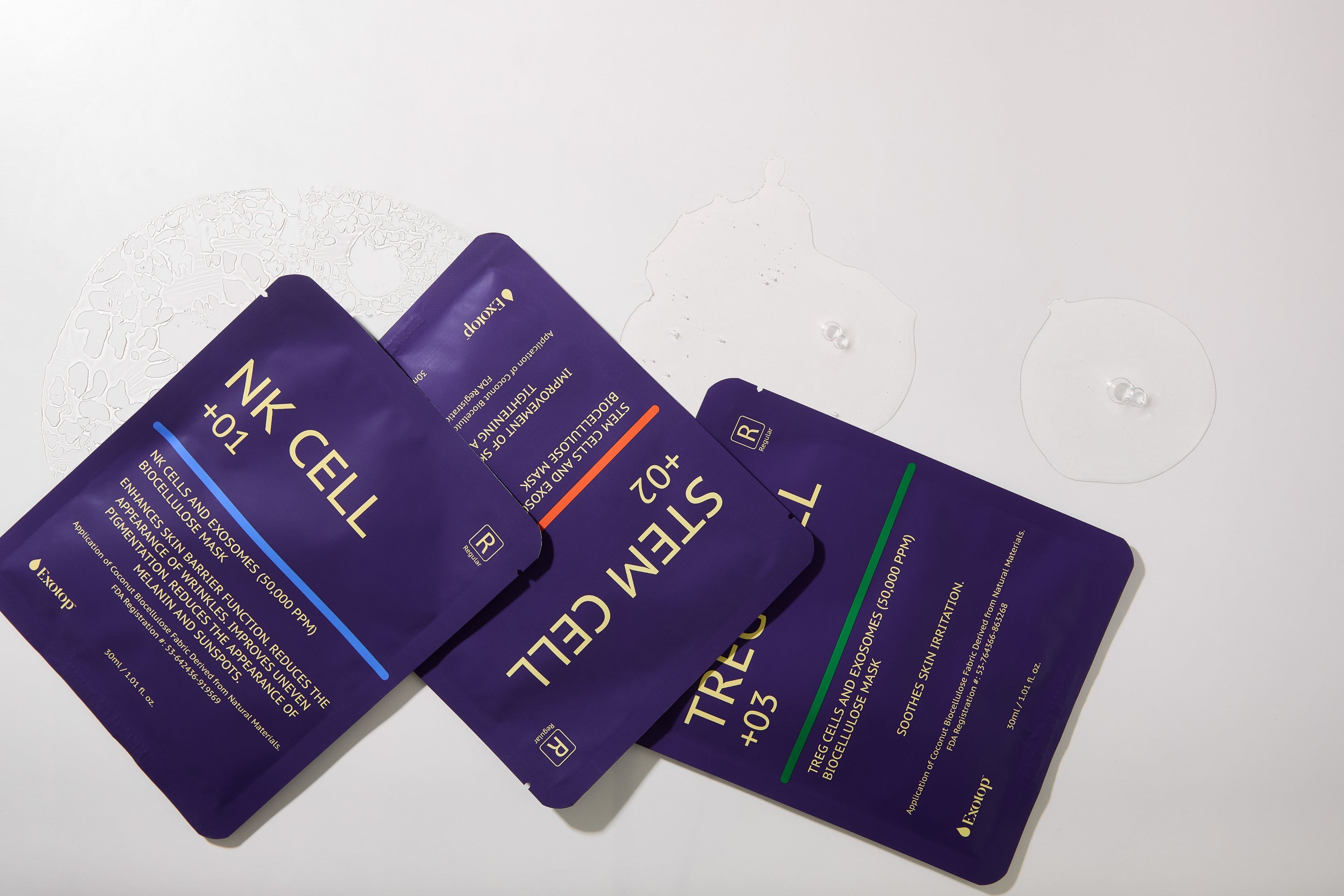
Professional Treatments vs. At-Home Skincare: What You Really Need One of the most common questions in skincare is simple: Do you need professional treatments, or can you get great results with products at home? The answer is not one or the other. The best results often come from understanding what each approach can and cannot do. Professional treatments and home skincare serve different purposes. When used together, they can help you maintain healthier-looking skin and support long-term skin goals. What At-Home Skincare Does Well Your daily routine creates the foundation for your skin. Think about how often you brush your teeth compared to how often you visit the dentist. Skincare works similarly. What you do every day has a greater impact than most people realize. A consistent home routine can help: Support skin hydration Strengthen the skin barrier Improve skin texture Reduce dryness Maintain results between treatments Protect skin from environmental stressors Many people spend hundreds of dollars on treatments while neglecting their daily routine. The result? Improvements that fade faster than expected. At Au79, products like the Exosome Mist, Peptide Serum, and Peptide Firming Cream are designed to support skin health every day through hydration, peptides, and exosome technology. These products help maintain the environment your skin needs to function at its best. The question then becomes: If your skin is only receiving attention every few months, are you giving it enough support between appointments? Where Professional Treatments Have the Advantage Professional treatments can address concerns that topical products cannot fully reach. Licensed providers can use advanced techniques and professional-grade formulations that work beyond the skin's surface. Depending on your goals, treatments may target: Fine lines and wrinkles Loss of firmness Uneven skin tone Acne scarring Skin texture concerns Recovery after aesthetic procedures Professional treatments can create noticeable changes more quickly than home skincare alone. Yet no treatment can replace daily skin maintenance. A patient may receive an advanced treatment and see visible improvement. If they return to a poor skincare routine afterward, those results often become harder to maintain. Professional treatments create opportunities for improvement. Home skincare helps protect that investment. Why Recovery Matters One area that often gets overlooked is post-treatment care. After procedures, your skin enters a recovery phase. During this period, hydration and barrier support become especially important. This is where targeted products can play a role. AU79's exosome-focused products are designed to support hydration and skin renewal. Our professional-grade Exotop Pro treatment contains a concentrated exosome complex intended to support regenerative skincare protocols. Many skincare professionals now incorporate exosome-based products into post-treatment routines because of their potential to support skin recovery and repair pathways. Consumer experiences frequently highlight improvements in recovery time and overall skin appearance following aesthetic procedures. That does not mean every treatment requires an extensive recovery routine. It does mean that what you put on your skin afterward matters. A Better Way to Think About Skincare Instead of choosing between professional treatments and home skincare, consider how they work together. Professional treatments can help address larger concerns. Your daily routine helps maintain progress. A balanced approach might look like this: Monthly or Quarterly: Professional treatments based on your skin goals. Daily: Cleanse with a gentle cleanser Apply hydration support Use targeted treatment products Moisturize Apply sunscreen Weekly: Add specialty treatments, such as masks, when your skin needs additional hydration and support. Au79's Stem Cell Masks, NK Cell Masks, and Treg Cell Masks provide options for targeted care between professional visits, and our Restore Gel and Absoro-Pep technology products are designed to support hydration and nutrient delivery as part of a regular routine. So, What Do You Really Need? If your goal is healthy-looking skin, you need more than a single treatment. You also need more than a shelf full of products. You need a plan. Start with a consistent home routine that supports hydration, barrier function, and skin renewal. Then evaluate whether professional treatments can help address specific concerns that home care alone may not fully improve. The strongest skincare strategy is not built around trends. It is built around consistency. When professional treatments and home skincare support one another, your skin has a better opportunity to look and feel its best throughout the year.
Learn more
How Your Environment Affects Skin Health | Au79 Care
How Your Environment Impacts Your Skin Your skin does not operate in isolation. Every day, it receives signals from the environment around you. Sunlight, air quality, humidity, temperature, and indoor climate all influence how your skin behaves. Some of these inputs support healthy skin function. Others place additional demands on the skin barrier and the cellular processes responsible for repair. When people notice dryness, redness, dullness, or unexpected breakouts, they often blame a product first. The environment is often part of the story. Understanding those external influences can help explain why your skin changes throughout the year, during travel, or even after spending long hours in a different indoor environment. Your Skin Responds to Inputs At Au79, we view skin as a living system. Skin cells constantly communicate with one another to coordinate repair, maintain hydration, and respond to stress. Environmental conditions influence that communication. A week at high altitude. A season of dry indoor heating. Increased UV exposure during summer. Each creates a different set of conditions that your skin must navigate. The result may appear as a cosmetic concern, but the underlying cause often begins with skin function. Ask yourself: Have you ever followed the exact same skincare routine while traveling and still noticed your skin behaving differently? That response is not random. Your environment changed. Dry Air Challenges the Skin Barrier Colorado provides a useful example. Low humidity levels can increase transepidermal water loss, which is the natural process of water moving from the skin into the surrounding air. As moisture leaves the skin more rapidly, the barrier may become less comfortable and less resilient. Common signs include: Tightness after cleansing Rough texture Flaking Increased sensitivity A feeling that your usual moisturizer is no longer enough Many people respond by adding more products. Sometimes, the better approach is supporting the barrier itself. Ingredients such as peptides, ceramides, and exosomes are frequently studied for their ability to support skin health and recovery after environmental stress. Au79 products, such as the Exosome Mist and Restore Gel, were developed with this philosophy in mind: support skin function first, then appearance follows. Sunlight Changes More Than Skin Color Most discussions about sun exposure focus on burns. The biological effects begin much earlier. Ultraviolet radiation influences collagen production, pigmentation pathways, and the skin's natural repair processes. Over time, repeated exposure contributes to visible changes in texture, firmness, and tone. Environmental Factors and Their Effects on Skin Environmental Input Potential Skin Response UV Exposure Changes in collagen and pigmentation Dry Climate Increased moisture loss Pollution Increased oxidative stress Indoor Heating Barrier disruption Air Conditioning Surface dehydration These changes develop gradually. That makes them easy to overlook until they become noticeable. Pollution Creates Another Layer of Stress Your skin encounters more than sunlight and weather. Throughout the day, airborne particles from traffic, smoke, dust, and other pollutants settle on the skin's surface. Research suggests these exposures contribute to oxidative stress, which can affect normal cellular function over time. This helps explain why skin can feel different after spending time in a busy city compared to a cleaner environment. The goal is not to avoid every environmental exposure. That is impossible. The goal is to help skin recover from those exposures. This is one reason Au79 focuses heavily on ingredients involved in cellular signaling and barrier support, including exosomes and Absoro-Pep™, a nanogold peptide complex designed to support absorption and skin communication. Your Environment Changes. Your Routine Should Too. Many people search for a single skincare routine that works year-round. Skin biology rarely works that way. The products that feel right during a humid summer may not provide the same experience during winter. Travel, seasonal weather shifts, altitude changes, and indoor climate control all influence what your skin needs at a given moment. Rather than asking: "What is my skin type?" It can be more useful to ask: "What conditions is my skin responding to right now?" That question often leads to better decisions. Healthy skin is not simply the result of applying products. It is the result of understanding how your skin responds to the world around it and providing support where it is needed. When you view skincare through that lens, your environment becomes part of your routine rather than something working against it.
Learn more
How to Choose the Right Skincare Routine | Au79 Care
How to Identify the Right Skincare for Your Skin Choosing skincare feels confusing because most products speak in promises, not biology. Your skin responds to inputs, and products either support skin function or disrupt it. When you choose based on how your skin behaves, it becomes easier to predict results. Start with observation Wash your face with a gentle cleanser. Wait thirty minutes, do nothing else, then look and feel. Ask yourself a few direct questions: Does your skin feel tight? Does shine show up quickly? Do certain areas feel dry while others feel oily? Does redness appear without an obvious reason? Those signals describe your current skin type. Skin type shifts with seasons, hormones, stress, and sleep, so it’s important to reassess often. Define a small number of goals. Skin responds better to focus. Multiple actives layered together increase irritation risk and reduce clarity around results. Pick one to three priorities Examples include hydration, congestion, redness, uneven tone, and texture changes. Write them down. If a product does not support one of those goals, skip it. Ingredient lists matter, but function matters more. Each ingredient exists for a reason — some attract water, some support the skin barrier, and others influence how skin cells communicate and renew. Here are common ingredient roles explained simply: Hyaluronic acid holds water within the skin. Studies show it improves hydration levels within weeks when used consistently. Niacinamide supports barrier lipids. Research links it to reduced redness and improved texture over time. Ceramides strengthen the outer skin layer. They reduce water loss and improve tolerance. Vitamin C supports antioxidant defense and tone clarity. Clinical data show improved brightness with daily use. Retinol and retinal support cell turnover. Long-term use correlates with smoother texture and reduced fine lines. Exosomes support cell-to-cell signaling. They influence repair pathways rather than surface appearance alone. Peptides support structural proteins like collagen. Au79 products focus on barrier health and skin communication. The Exosome Mist supports hydration and signaling early in a routine. Restore Gel supports barrier integrity and nutrient delivery later in the routine. These products serve defined roles rather than broad claims. Routine structure matters as much as ingredients Skin absorbs lighter formulas first. Heavier textures seal hydration later. Order influences performance. A simple structure works for most people: Morning routine: Cleanser Hydration step Moisturizer Sunscreen Evening routine: Cleanser Targeted treatment Moisturizer Add products slowly. Skin needs time to respond. Most changes appear after two to four weeks. Faster switches create noise and confusion. Watch patterns instead of daily fluctuations. Track how your skin behaves across weeks. Here are some signs that your skin is regulating: Fewer reactive days Improved comfort Smoother makeup application Stable hydration Common signals and what they mean Symptom Potential Cause Dryness during colder months Insufficient barrier support Congestion after heavier products Texture mismatch for your skin type Redness after multiple actives Overload from too many active ingredients These signals guide adjustments, and good skincare follows a practical framework: You observe. You define goals. You match ingredients to function. You follow a consistent structure. You adjust based on visible patterns. This approach removes guesswork. Skin responds best when routines support biology rather than trends.
Learn more
Layering Skincare Ingredients the Right Way | Au79 Care
Skincare works best when products are applied with intention. As scientists, we look at skin as a living system, which helps us understand that the order in which you apply products changes how well they perform. Layering skincare ingredients is not about adding more steps. It is about giving each ingredient the best chance to do its job. Have you ever wondered why a great product did not deliver the results you expected? The answer is often how it was applied. Your Skin Absorbs In Stages Skin is selective. It does not take everything in at once. Light, water-based formulas absorb first. Thicker, oil-based products sit closer to the surface. When you apply products out of order, heavier formulas block lighter ones from reaching the skin. Think about what happens when oil meets water. The same principle applies here. Proper layering helps ingredients reach the layer of skin where they work best. Why Order Matters More Than Quantity Using the right products in the wrong order limits their effect. Using fewer products in the correct order often works better. When skincare is layered correctly, you support: Better absorption of active ingredients More consistent results over time Reduced irritation from overloading the skin A routine that feels lighter and more comfortable This approach respects how skin functions rather than forcing it to adapt. A Simple Structure For Layering Skincare Ingredients You do not need a complicated routine. You need a logical one. A general rule is to move from lighter textures to heavier ones. Most routines follow this flow: Cleanser to remove debris and buildup Toners or essences to hydrate and prep the skin Serums with targeted ingredients Moisturizers to seal in hydration Oils or balms if needed to lock everything in Each step builds on the last. Skipping steps is fine. Mixing the order is where problems begin. Active Ingredients Need The Right Environment Many active ingredients rely on skin contact to work properly. Vitamin C, peptides, and exfoliating acids all perform best when applied directly to clean skin or after lightweight hydration. If you apply a heavy cream first, those actives struggle to penetrate. The result feels like skincare is sitting on your skin instead of working with it. Ask yourself this. Are your serums touching your skin or sitting on top of another layer? Over-layering Can Backfire More is not always better. Skin can only process so much at one time. Layering too many actives can lead to sensitivity, redness, or dryness. This is not because the ingredients are poor quality. It is because skin needs balance. Signs you may be over-layering include: Tightness after application Increased redness Breakouts in areas that are usually clear Products pilling on the skin A thoughtful routine focuses on compatibility and order rather than volume. Consistency Beats Complexity Skin responds to repeated signals. When you layer ingredients correctly and use them consistently, results build over time. This is where many people lose patience. They switch products too often or apply them randomly. Skin does not respond well to constant change. A steady routine allows you to see what works and what does not. Layering Supports Long-Term Skin Health Good layering habits protect your skin barrier. That barrier controls hydration, comfort, and resilience. When the barrier stays supported, skin looks calmer and more even. Treatments feel gentler. Moisture stays where it belongs. This is not about quick fixes. It is about creating conditions where skin can function at its best. Skincare Should Feel Intentional At Au79 Care, formulation and application matter equally. Pr
Learn more
Effective Steps For a Skincare Routine | Au79 Care
Steps for An Effective Skincare Routine A structured skincare routine supports measurable changes in skin function. Dermatology patients benefit from clear steps, controlled use of actives, and consistent barrier support. Your routine works better when each layer serves a defined purpose and respects the biology of the skin. Skin conditions often share common stress points. Barrier impairment increases transepidermal water loss. Dehydration impacts enzyme activity. Chronic inflammation disrupts turnover. A routine built on clinical principles stabilizes these processes. Layer products from thin to thick. Lighter hydration prepares the stratum corneum for targeted formulas. Richer products reinforce barrier lipids and reduce water loss. This order supports steady absorption and reduces the risk of irritation in patients with eczema, acne, rosacea, or photoaging. Step-by-Step Skincare Structure Here are the steps we suggest for an effective skincare routine: Step 1: Cleanse with a mild surfactant system. Rationale: Reduces barrier disruption and lowers risk of irritant dermatitis. Step 2: Apply hydration through a mist or serum. Rationale: Raises water content and supports better penetration of active compounds. Step 3: Use targeted serums. Rationale: Addresses concerns such as collagen decline, pigment irregularity, inflammation, or textural changes. Step 4: Apply a peptide or ceramide-rich cream. Rationale: Reinforces the lipid matrix and reduces transepidermal water loss. Step 5: Stay consistent. Rationale: Skin responses depend on repetition over weeks and months. Au79 Product Examples Au79 Exosome Mist Supports hydration and communication between skin cells. Helpful for patients with redness, surface sensitivity, or dehydration. Au79 Stem Cell Ampoule Delivers concentrated signaling factors. Supports collagen pathways and texture improvement in skin affected by early photoaging or chronic irritation. Au79 Peptide Firming Cream Reinforces the barrier with emollients and peptides. Useful for patients with dryness, elasticity loss, or weakened barrier function. Clinical Guidance Tips Use actives with clear purpose. Monitor for irritation in acne-prone or sensitive skin. Maintain pH-balanced formulas to support enzyme activity. Avoid aggressive exfoliation in patients with compromised barriers. Review progress every four to six weeks. Dermatology care benefits from routines that follow biological patterns. Your skin follows a predictable cycle of renewal. That cycle slows with age, inflammation, and environmental exposure. A routine that respects timing supports better outcomes. Morning routines focus on protection. Evening routines focus on repair. Morning Routine: Protection Morning routines should stay simple. Patients with acne or rosacea often improve when morning routines limit unnecessary steps. A gentle cleanse prepares the skin. Hydration supports barrier flexibility. A peptide or growth factor serum prepares the skin for the day. A barrier-focused cream seals hydration. Sunscreen completes the routine. Daily sunscreen use reduces pigment irregularity and slows photoaging. Patients must reapply every two to three hours with outdoor exposure. Evening Routine: Repair Evening routines allow targeted intervention. The skin shows lower barrier resistance at night. This supports deeper movement of active compounds. Patients with photoaging benefit from structured retinoid use. Patients with hyperpigmentation respond to controlled brightening agents. Patients with barrier weakness require hydration and lipid support before adding stronger actives. Product Pairing with Au79 Product pairing matters. Au79 formulas work without crowding the same ingredient pathways. This reduces the risk of irritation in sensitive patients. Examples: Au79 Exosome Mist pairs well with retinoids or vitamin C because it provides hydration without interference. Au79 Stem Cell Ampoule supports collagen pathways and aligns with routines for early photoaging. Au79 Peptide Firming Cream stabilizes the barrier for patients with dryness or reactivity. Monitoring Progress Monitoring is essential. Dermatology patients often expect rapid changes, so make sure to set clear expectations. Collagen pathways respond slowly. Pigment pathways respond in cycles. Inflammation reduction requires steady routines. We recommend progress photos every two to four weeks. A clinically directed routine strengthens barrier health, supports hydration balance, and improves tolerance to active ingredients. When patients follow structured steps, outcomes become more predictable.
Learn more
How to Repair Your Skin Barrier | Au79 Care
Repairing Your Skin’s Natural Barrier — with Science and Au79 Care Click to learn how we can help with skin barrier repair. Your skin’s outermost layer — the so-called “skin barrier” (scientifically: the stratum corneum) — works ceaselessly. It keeps moisture in, blocks irritants, and helps your skin stand strong. When it falters, you’ll feel it: tightness, irritation, dryness, sensitivity. The structure that was once seamless becomes compromised. At its core, this barrier is composed of three major lipid groups: ceramides, free fatty acids (especially linoleic acid) and cholesterol. These components form something like a brick-and-mortar wall: corneocytes (the “bricks”) embedded in lipid layers (the “mortar”). Research shows a roughly 3 : 1 : 1 ratio of these lipids supports optimal barrier recovery. However, when the mortar degrades (due to the use of harsh cleansers, over-exfoliation, environmental stress, a poor diet, or lack of sleep), the door opens to transepidermal water loss, inflammation, and irritation. What Au79 Does Differently Au79’s formulation philosophy doesn’t rely on flashy gimmicks alone. It pairs advanced bio-science with barrier-centric ingredient systems. We use ceramides, peptides, exosomes and growth factors in our layering approach. One product that illustrates this is our Restore Gel. Within this gel, we layer our proprietary Absoro-Pep™ (a nanogold peptide complex) alongside standard barrier-repair lipids. The nanogold peptide technology facilitates the deeper delivery of nutrients and supports skin cell communication. How key actives support barrier repair Ceramides: reinforce the intercellular lipid matrix and reduce water loss. Fatty acids/cholesterol: lipid-balanced formulas for barrier repair. Niacinamide (vitamin B3): improves barrier function by increasing keratinocyte lipid synthesis and modulating histamine-mediated inflammation. Hyaluronic acid: hydrates and plumps the corneocyte matrix so the lipid “mortar” can function optimally. Peptides: our proprietary Absoro-Pep™ complex supports structural protein synthesis (e.g., collagen, elastin) and enhances repair at the dermis–epidermis junction. Exosomes / stem-cell signals: help skin cells communicate more effectively, encouraging renewal and balance from within. Taken together, the formulas go beyond one-dimensional moisturization: they rebuild structure, re-educate the barrier function, and protect it via multiple pathways. What to Expect During Repair When you begin a barrier-repair routine, expect a gradual healing curve rather than an overnight fix. For the first week or two, you may still feel dryness, mild stinging or a bit of sensitivity — that is your skin recalibrating. Then you’ll notice changes: skin feels smoother, less reactive, fewer “hot” patches, and less flaky. Makeup glides on more evenly. That doesn’t mean you won’t still care for your skin — it means your skin cares for you more effectively. By using Restore Gel daily, you build a microenvironment where lipids are replenished, peptides and exosomes activate repair, and antioxidants shield the wall you just reinforced. Integrating it into Your Routine If your barrier has been compromised (excessive exfoliation, retinols, environmental stress, skin treatments), here’s a minimal protocol aligned with our science-driven approach: Cleanse gently (avoid harsh foams). Apply Au79 Restore Gel while the skin is slightly damp to lock in water. Follow with a broad-spectrum sunscreen during the day (barrier strength is only as good as the protection you give it). At night, keep the routine streamlined: use the same gel or layer a rich barrier cream if needed. Avoid strong actives (acid exfoliants, aggressive retinoids) until the barrier visibly improves. Over time, you can reintroduce treatments, but only once your skin no longer flinches at mild stimuli. Why This Matters Your skin barrier isn’t just an aesthetic concern. It’s physiology. When intact, it acts as your first line of defense against microbes, pollutants, and water loss. When compromised, your skin is more reactive, more fatigued, and less able to maintain its own homeostasis. By restoring it with targeted actives (ceramides, peptides, exosomes, niacinamide, hyaluronic acid), you restore not just appearance but function. With Au79’s formulation approach, you’re not layering gimmicks — you’re layering structure. You’re giving your skin the building blocks it recognizes, the signals it understands, and the protection it needs. If you remain diligent with your barrier repair regimen, you’ll feel the difference: your skin not merely tolerating life again, but ready for it. That feeling is the quiet triumph of a barrier well repaired.
Learn more