
How to Identify the Right Skincare for Your Skin
Choosing skincare feels confusing because most products speak in promises, not biology. Your skin responds to inputs, and products either support skin function or disrupt it. When you choose based on how your skin behaves, it becomes easier to predict results.
Start with observation
Wash your face with a gentle cleanser. Wait thirty minutes, do nothing else, then look and feel. Ask yourself a few direct questions:
- Does your skin feel tight?
- Does shine show up quickly?
- Do certain areas feel dry while others feel oily?
- Does redness appear without an obvious reason?
Those signals describe your current skin type. Skin type shifts with seasons, hormones, stress, and sleep, so it’s important to reassess often.
Define a small number of goals. Skin responds better to focus. Multiple actives layered together increase irritation risk and reduce clarity around results.
Pick one to three priorities
Examples include hydration, congestion, redness, uneven tone, and texture changes. Write them down. If a product does not support one of those goals, skip it.
Ingredient lists matter, but function matters more. Each ingredient exists for a reason — some attract water, some support the skin barrier, and others influence how skin cells communicate and renew.
Here are common ingredient roles explained simply:
- Hyaluronic acid holds water within the skin. Studies show it improves hydration levels within weeks when used consistently.
- Niacinamide supports barrier lipids. Research links it to reduced redness and improved texture over time.
- Ceramides strengthen the outer skin layer. They reduce water loss and improve tolerance.
- Vitamin C supports antioxidant defense and tone clarity. Clinical data show improved brightness with daily use.
- Retinol and retinal support cell turnover. Long-term use correlates with smoother texture and reduced fine lines.
- Exosomes support cell-to-cell signaling. They influence repair pathways rather than surface appearance alone.
- Peptides support structural proteins like collagen.
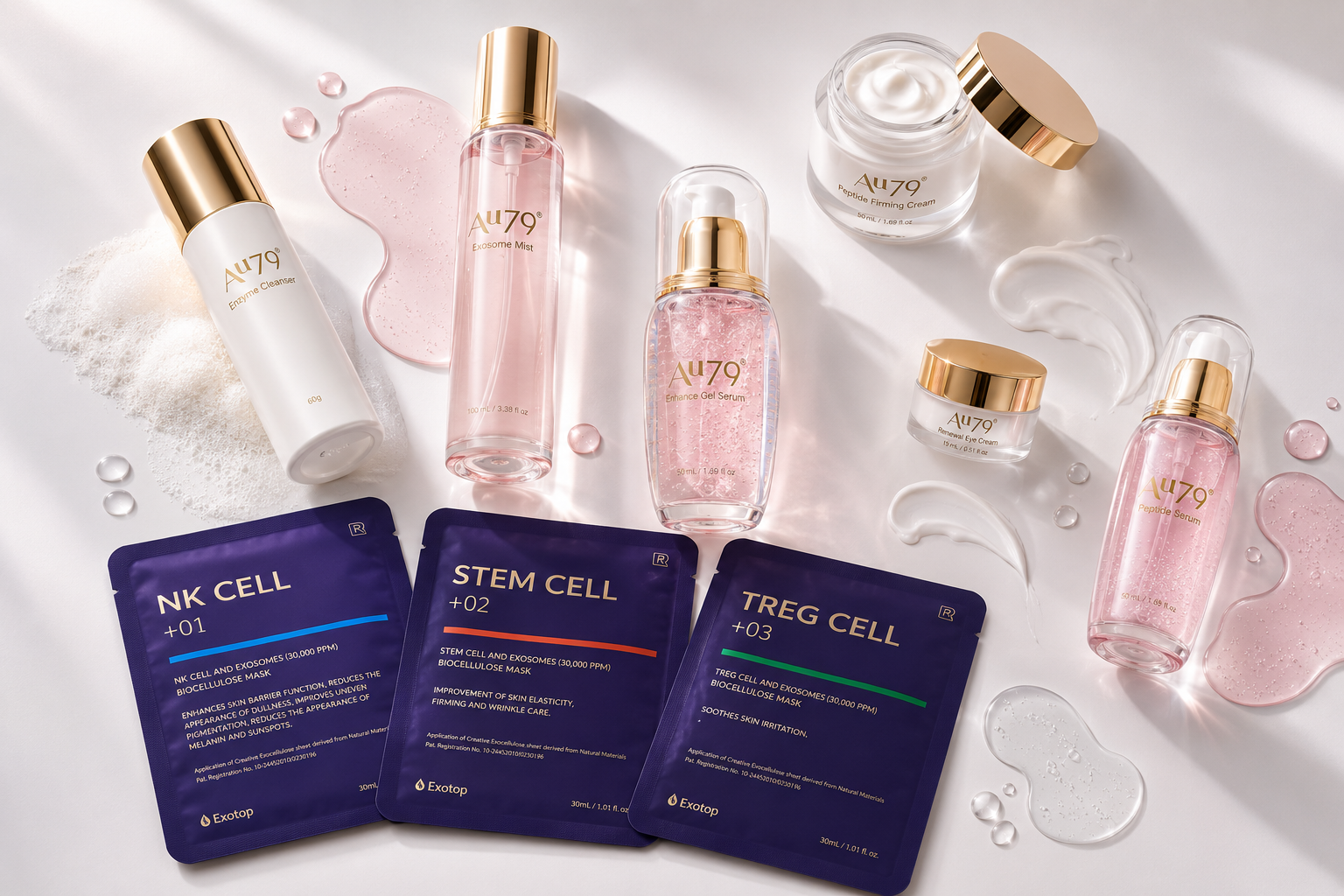
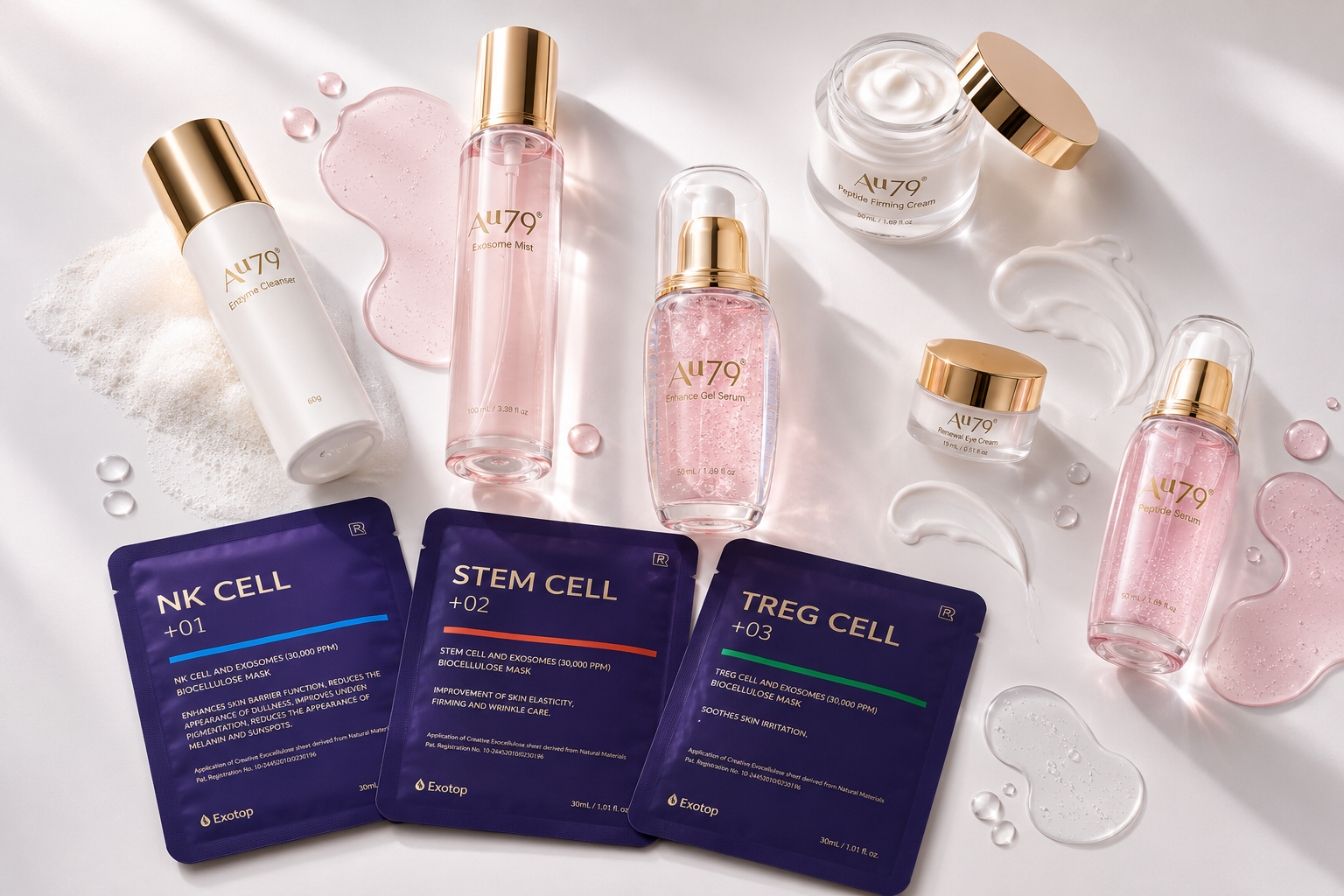
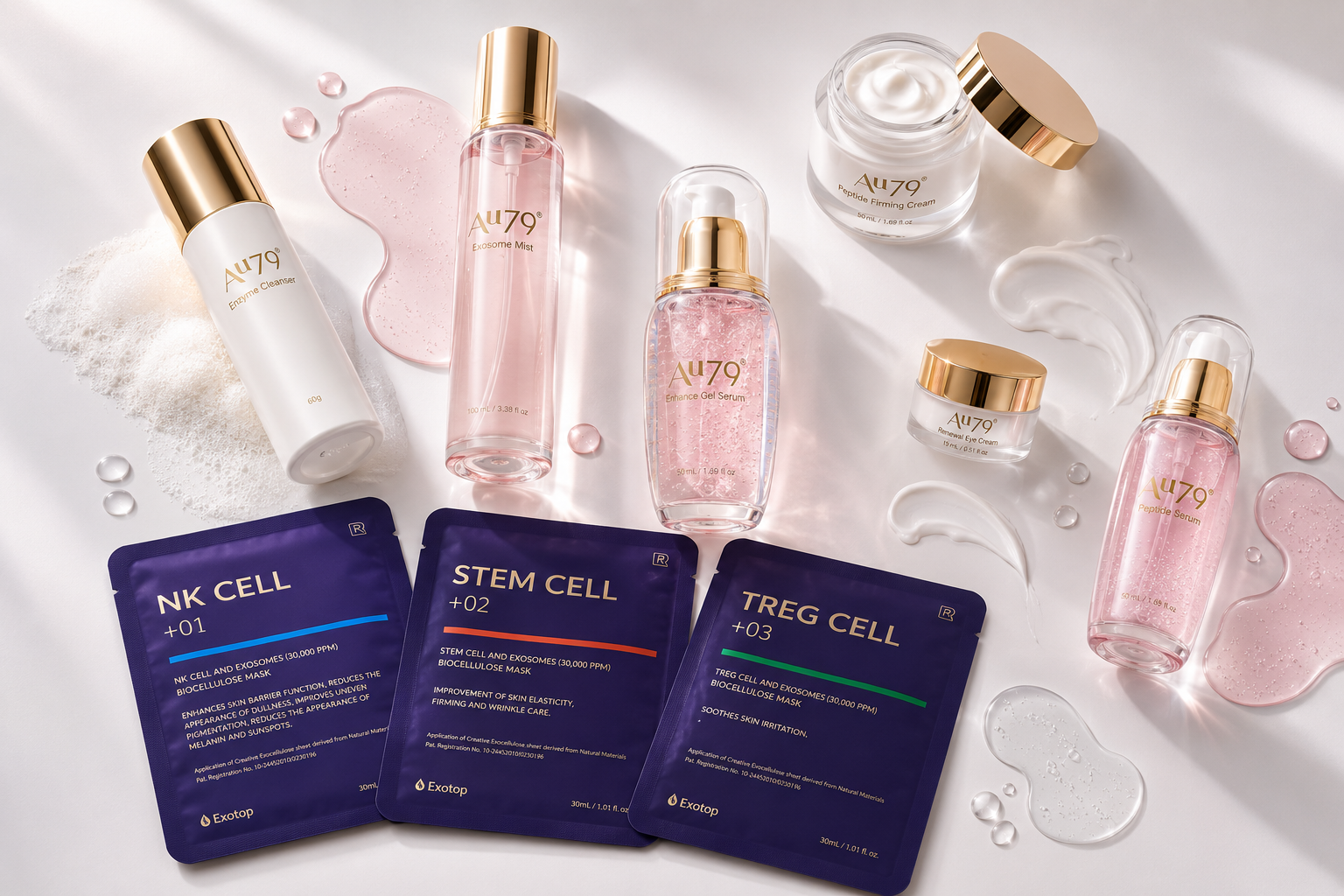
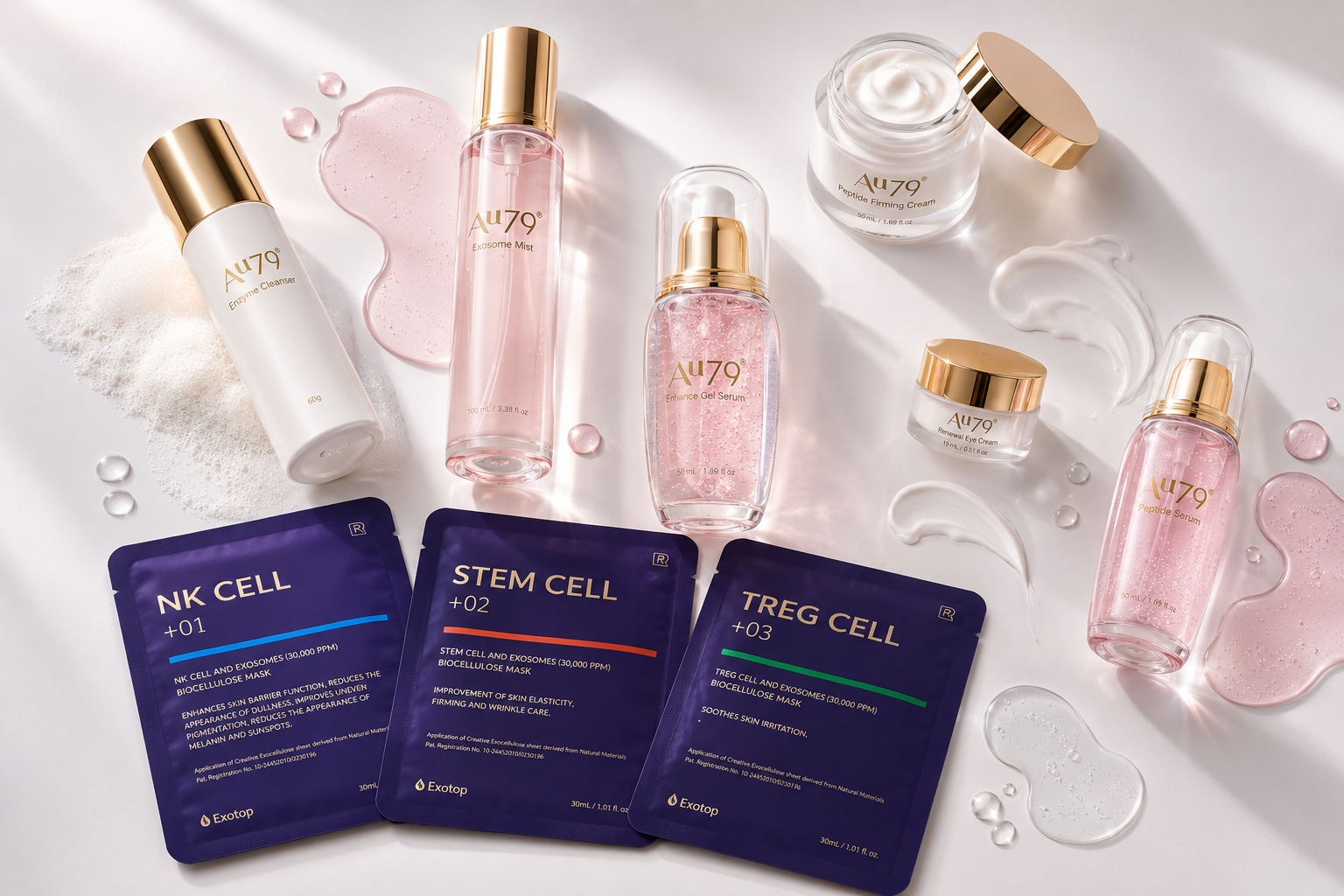
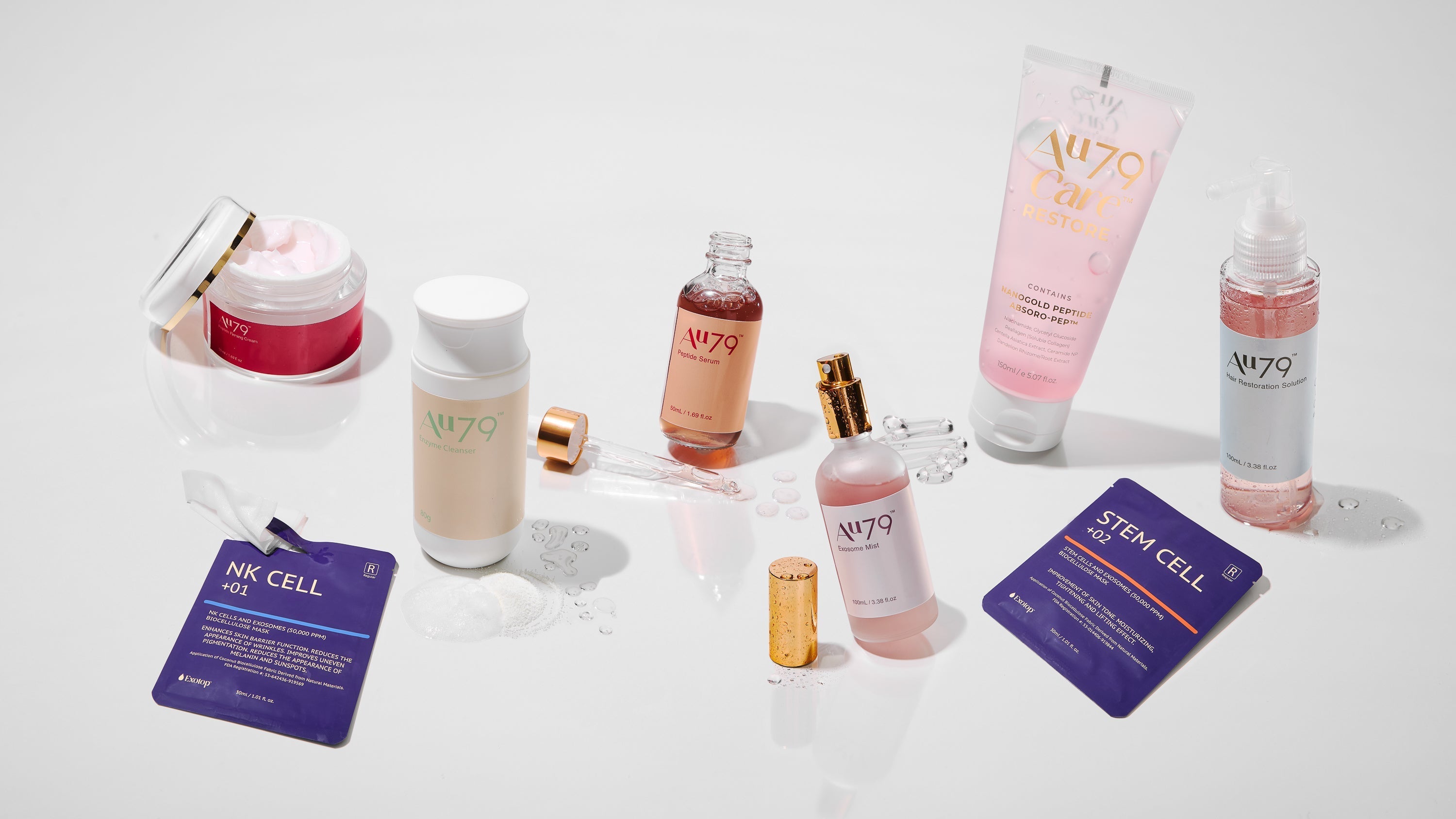
Au79 products focus on barrier health and skin communication. The Exosome Mist supports hydration and signaling early in a routine. Restore Gel supports barrier integrity and nutrient delivery later in the routine. These products serve defined roles rather than broad claims.
Routine structure matters as much as ingredients
Skin absorbs lighter formulas first. Heavier textures seal hydration later. Order influences performance.
A simple structure works for most people:
Morning routine:
- Cleanser
- Hydration step
- Moisturizer
- Sunscreen
Evening routine:
- Cleanser
- Targeted treatment
- Moisturizer
Add products slowly. Skin needs time to respond. Most changes appear after two to four weeks. Faster switches create noise and confusion.
Watch patterns instead of daily fluctuations. Track how your skin behaves across weeks. Here are some signs that your skin is regulating:
- Fewer reactive days
- Improved comfort
- Smoother makeup application
- Stable hydration
Common signals and what they mean
| Symptom | Potential Cause |
|---|---|
| Dryness during colder months | Insufficient barrier support |
| Congestion after heavier products | Texture mismatch for your skin type |
| Redness after multiple actives | Overload from too many active ingredients |
These signals guide adjustments, and good skincare follows a practical framework:
- You observe.
- You define goals.
- You match ingredients to function.
- You follow a consistent structure.
- You adjust based on visible patterns.
This approach removes guesswork. Skin responds best when routines support biology rather than trends.