
The Truth About “Medical Grade” Skincare
One of the most popular buzzwords in the skincare industry is “medical grade,” but what does that actually mean? Despite sounding like an official designation, “medical grade” skincare is not regulated any differently than other skincare brands.
Instead of looking for labels like medical grade, it’s important for consumers to look at the actual ingredients listed, as well as have some understanding of what their skin needs. Products that are labeled as medical grade will often include higher potency active ingredients, which does mean that they should be thoroughly researched before your first application.
Medical Grade Is Not a Regulated Category
While “medical grade” might sound like higher-quality products, this isn’t always the case. The FDA regulates all skincare products the same way, which means a company can use that phrase without meeting any quality or ingredient standards.
This isn’t to say that all medical-grade skincare is improperly marketed – it just means that research and collaboration with your skincare provider is incredibly important when deciding which products should be incorporated into your routine.
Instead of looking at how a product is labeled, it’s important to look at the ingredients in that product, and whether that product is built on skin science instead of buzzwords.
What Actually Makes a Skincare Product Effective?
Healthy skin depends on multiple biological processes happening at the same time – this includes the skin barrier staying intact, cell communication for regeneration, and effective hydration that goes below the surface.
Those same biological processes can be impacted by daily activities, including stress, UV exposure, and acute or chronic inflammation. At Au79, our products are developed to support these processes and increase your overall skin health.
If you are a skincare provider, these factors should guide your product recommendations and treatment plans. As for consumers, these factors are much clearer indicators of quality than what’s listed on the front of the package.
Ingredients Matter More Than Packaging
Instead of looking at the front of the package for enticing branding or labels like “medical grade,” turn the package over and look at the ingredient list – this is where the most valuable information is.
Every ingredient needs to serve a purpose in a quality skincare formula, but an ingredient should never be added just because it’s trending.
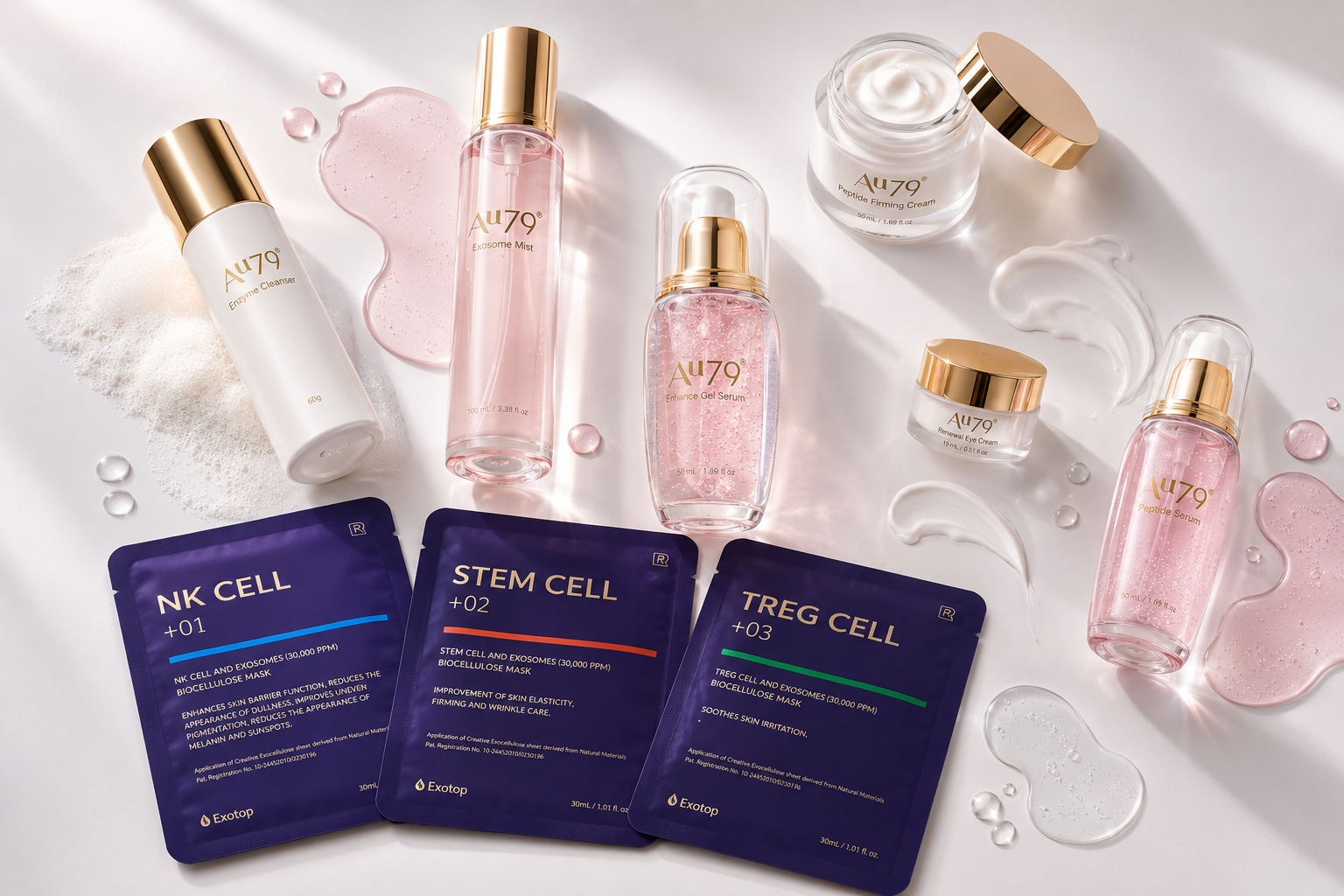
At Au79, all of our products are developed with only intentional, necessary ingredients. Here are some of our primary ingredients and their roles:
- Peptides – These act as signaling molecules. Certain peptides help support collagen production, which can improve the appearance of firmness and elasticity over time.
- Hyaluronic acid – This helps bind water within the skin. Well-formulated products use it to support hydration and reduce the appearance of dehydration lines.
- Niacinamide – This is one of the most versatile ingredients in skincare. It supports barrier function, helps improve uneven skin tone, and can reduce the appearance of redness.
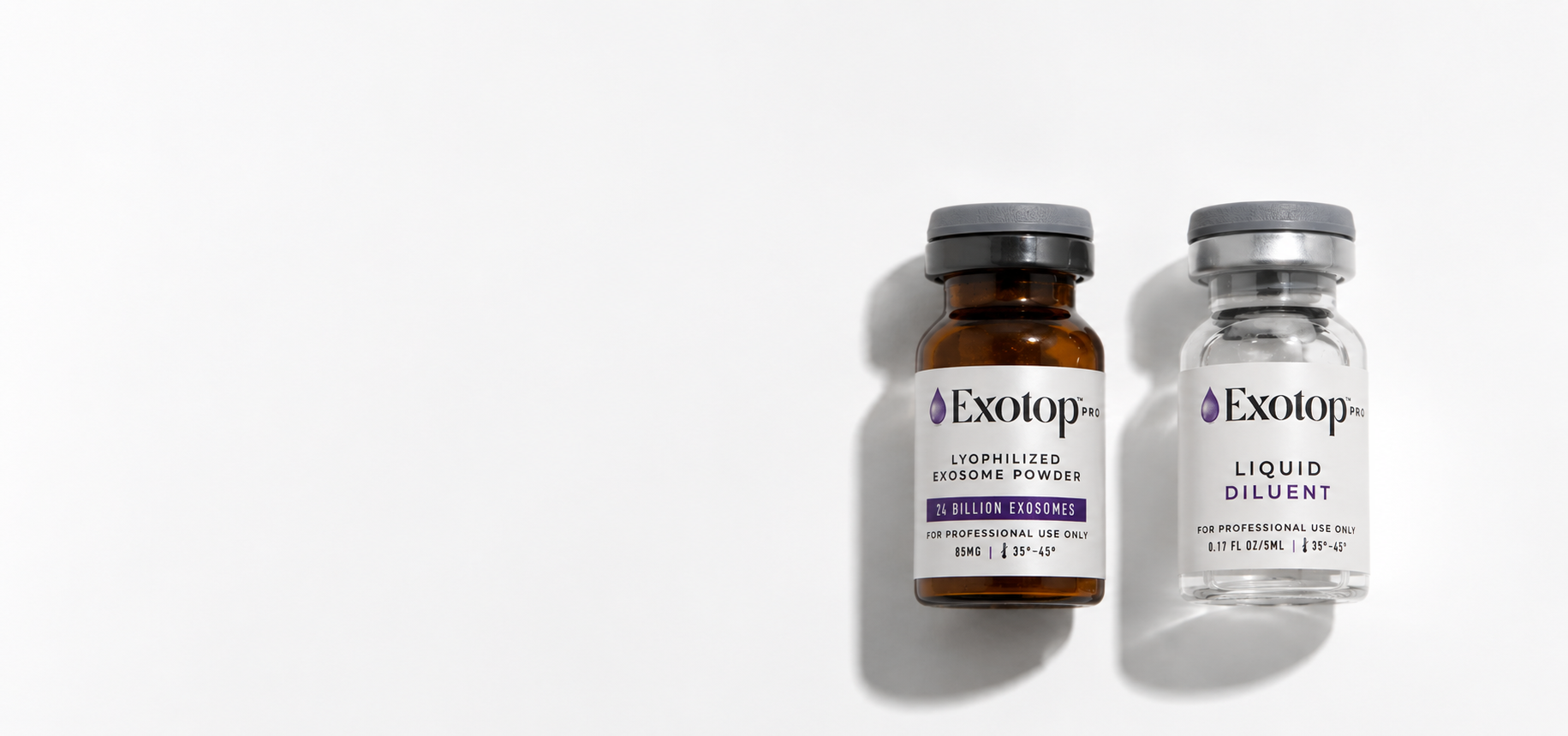
- Exosome technology – These are being studied for their role in cell-to-cell communication and their ability to support skin recovery after professional treatments.
It’s important to note that none of these ingredients work in isolation. They work because of how they’re formulated together, stabilized, and delivered into the skin – this has just as much influence on performance as the ingredients themselves.
A More Educational Conversation for Providers
Patients are more educated than ever when it comes to their skincare, and some of them even know that “medical grade” is not an official designation. This creates an amazing opportunity for providers to educate patients on not only ingredients, but the importance of formulation.
As opposed to discussing a brand’s reputation, review why they chose specific peptides for their formula. Or, discuss how supporting the skin barrier can lead to longer-term skincare results – you should also discuss how products can penetrate that skin barrier effectively.
These conversations will help you build trust with your patients and also help them understand the intention behind your recommendations.
When patients are educated and have realistic expectations for product performance, they will use the products more frequently and maintain realistic expectations for their treatment plan.
Our Approach
At Au79, all of our product development begins and ends with skin biology. Our only goal is to create products that support healthy skin function before, during, and after professional treatment. We do this by intentionally formulating products that address specific skin concerns.
Some of our most popular products include:
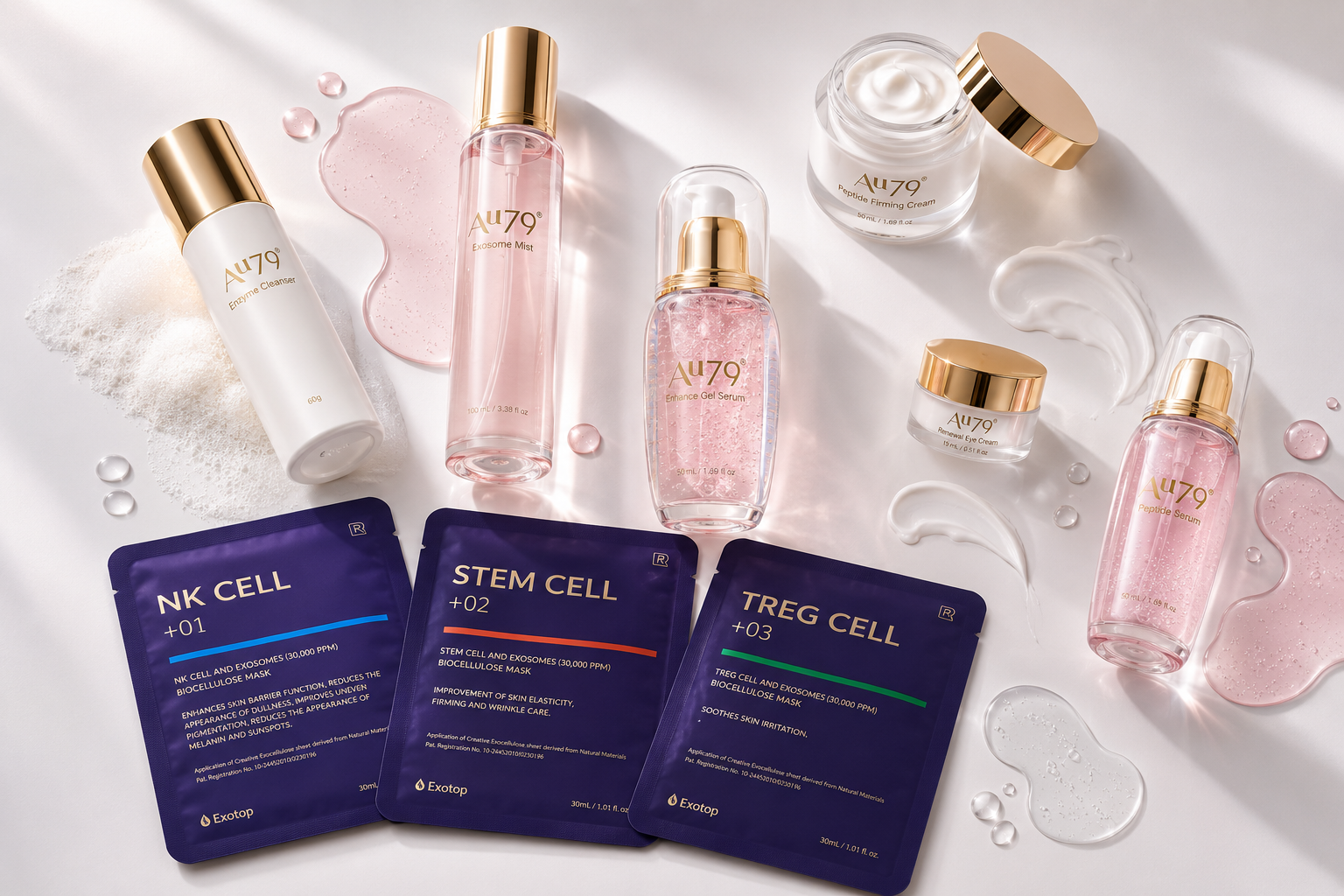
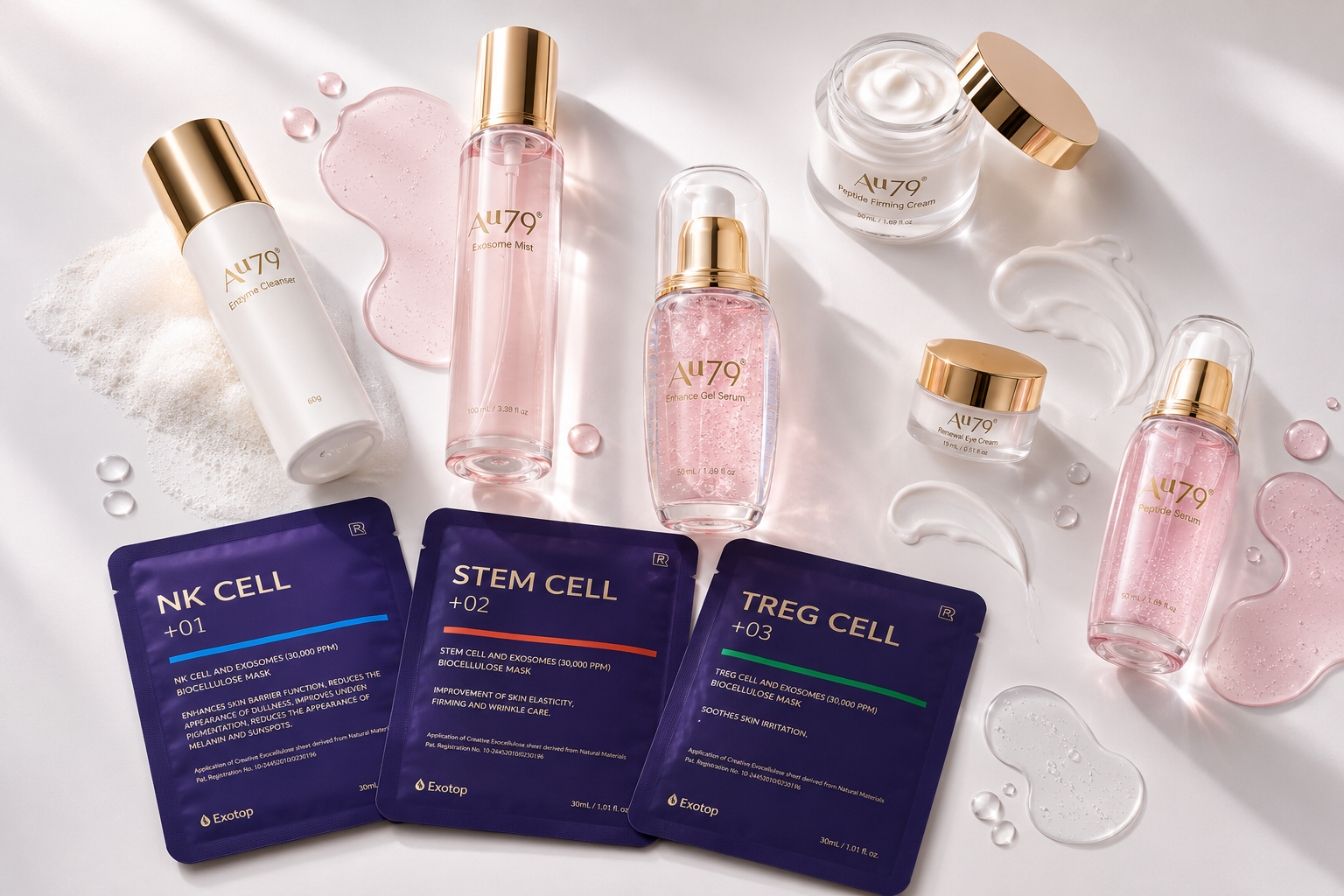
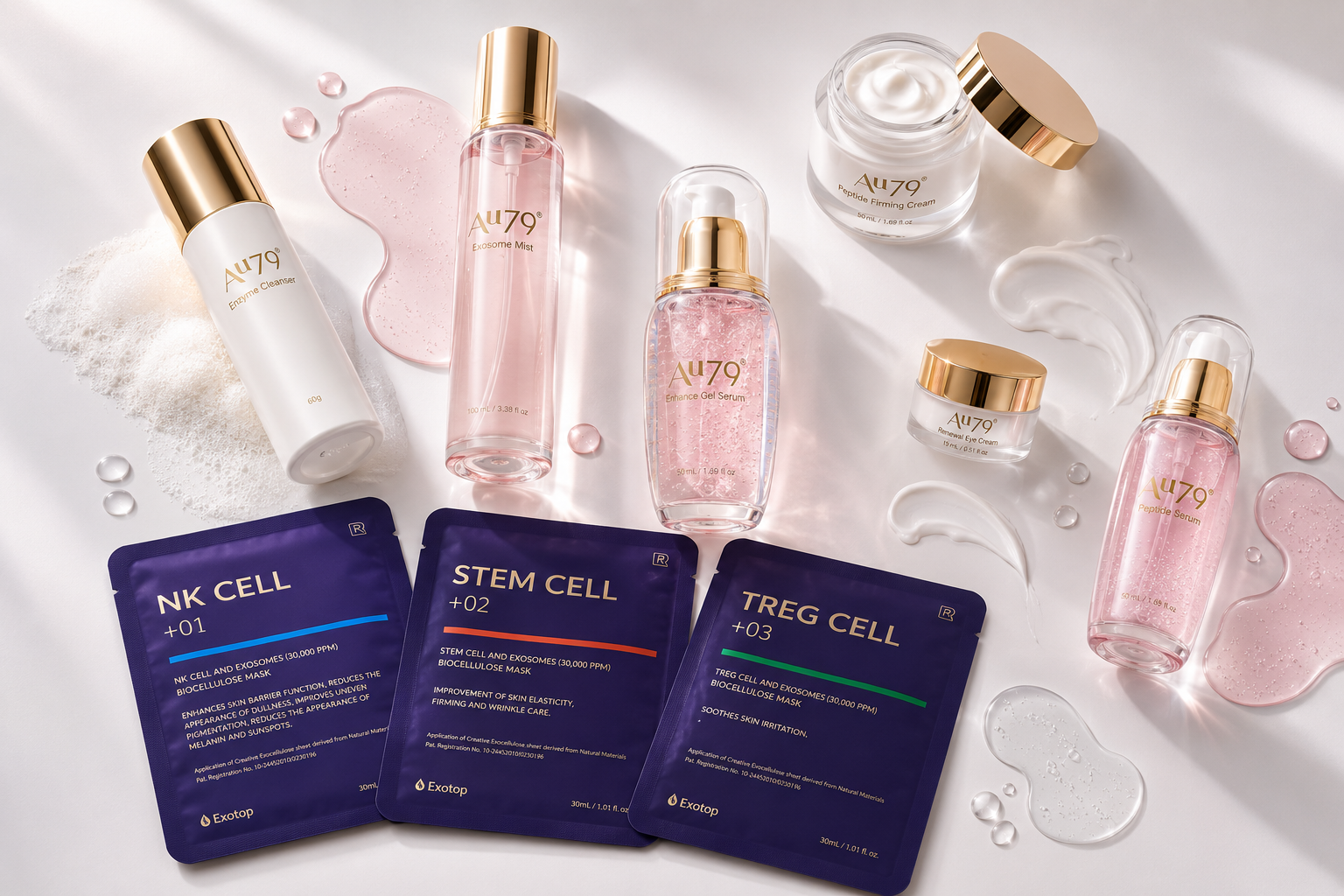
- Exosome Mist – thoughtfully formulated by combining hydrating and nourishing ingredients designed to support your skin barrier and skin recovery.
- Peptide Products – Our Peptide Serum and Peptide Firming Cream support collagen production by using the most advanced peptide technology, resulting in improved skin firmness and elasticity over time.
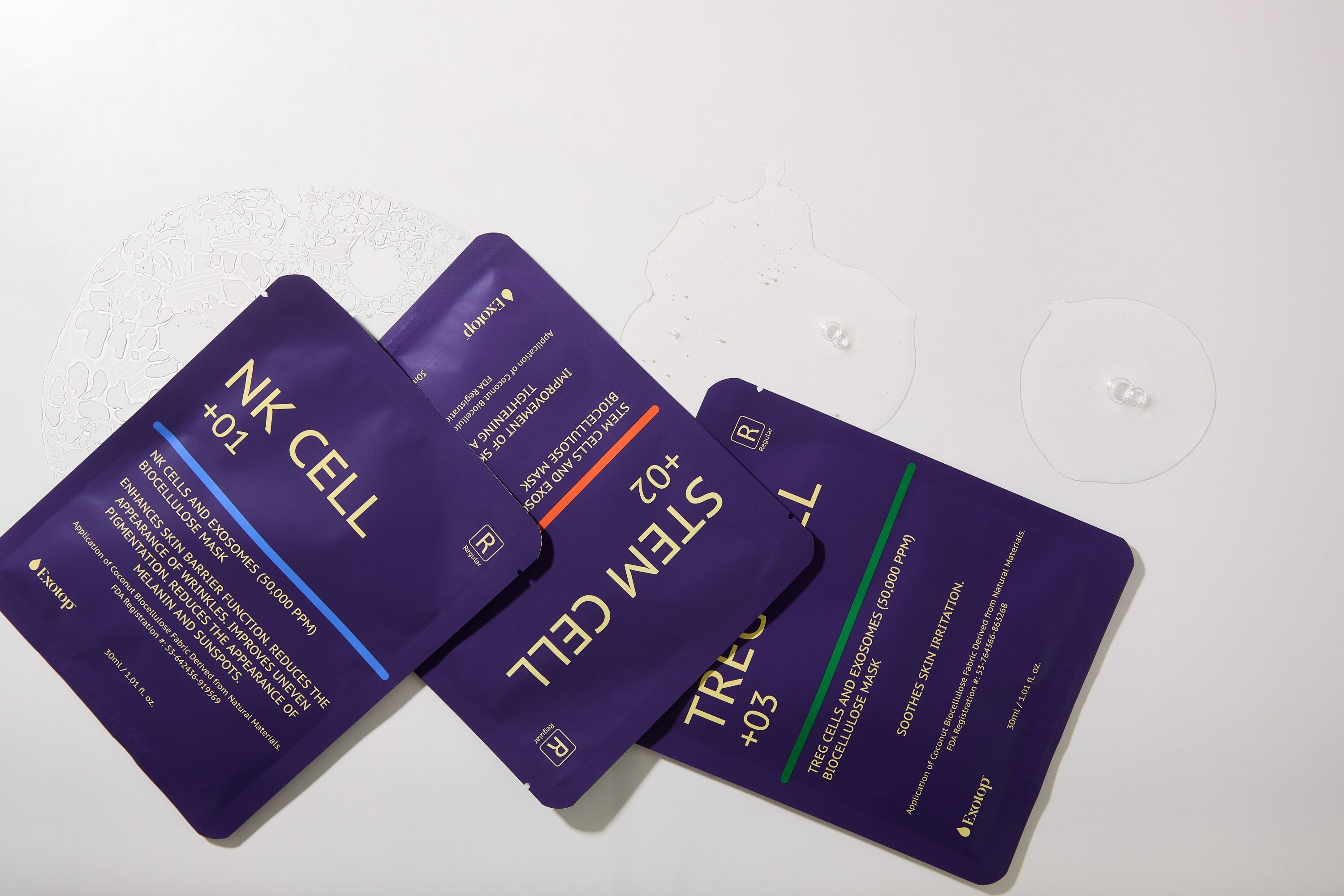
- Biocellulose Mask – This mask forms closer contact with your skin than traditional sheet masks, which helps maintain hydration while allowing the other active ingredients to remain on the skin for a longer period of time.
Across our entire product collection, we use our proprietary Absoro-Pep technology, which improves ingredient delivery. This helps better support the skin in target areas and increases ingredient efficacy.
Remember: Choose Formulas, Not Buzzwords
Instead of automatically assuming that medical grade skincare is good or bad, it’s important to remember that you need to understand the ingredients and formulation before making that decision.
Whether you’re developing your own skincare routine or recommending products to patients, the basics remain the same – read the ingredient list and understand what those ingredients are designed to do.
Research whether the formula is supported by biology and testing, and whether it makes sense for the skincare concern you are addressing.
The best products earn their reputation through formulation, consistency, and results. That’s a much higher standard than a label can provide.