
Before you replace a serum that seems to have stopped working, look at what you expected it to do.
Did it soften dry patches that have since stayed smooth? Have your breakouts returned? Or have you just stopped noticing the difference you saw during the first few weeks?
Those situations need different responses - a routine that maintains a result may still be doing its job. New irritation or returning symptoms deserve a closer look.
The next viable step starts with identifying what changed, or didn’t.
Your Results May Have Become Less Noticeable
Picture this: you introduce a moisturizer, and your skin looks smoother within days. A month later, you see the same face in the mirror every morning. The improvement feels less impressive because you’ve become familiar with it.
That alone doesn’t tell you the product has lost its effect.
Moisturizers can temporarily soften the appearance of fine lines by increasing hydration. Continued use helps maintain that benefit. Expecting the same dramatic improvement every week can make a useful product feel disappointing.
Compare your skin with its starting point. Take photos in the same lighting, without makeup or filters, and look for the specific change you wanted.
Is your skin still more comfortable, or has the appearance improved?
Match the Problem to the Next Step
Use what you notice to decide where to investigate.
- Results improved, then stayed steady - check whether you’ve reached your original goal. Keep the routine consistent and track whether those improvements last.
- Dryness returns before the day ends - if you skip moisturizer after your serum, try adding one suited to your skin.
- Skin feels sore after adding products - review your routine for overlapping exfoliants or other irritating ingredients. Pause the new, nonprescription product causing discomfort.
- Results vary from week to week - look at how often you actually use each product. Follow the label consistently before judging performance.
These checks help narrow your next routine or product change. Be careful when adding extra product or another active, as it can cause irritation without improving results.
Check How You Use What You Already Own
A product can fit your needs and still fall short if you miss part of its instructions.
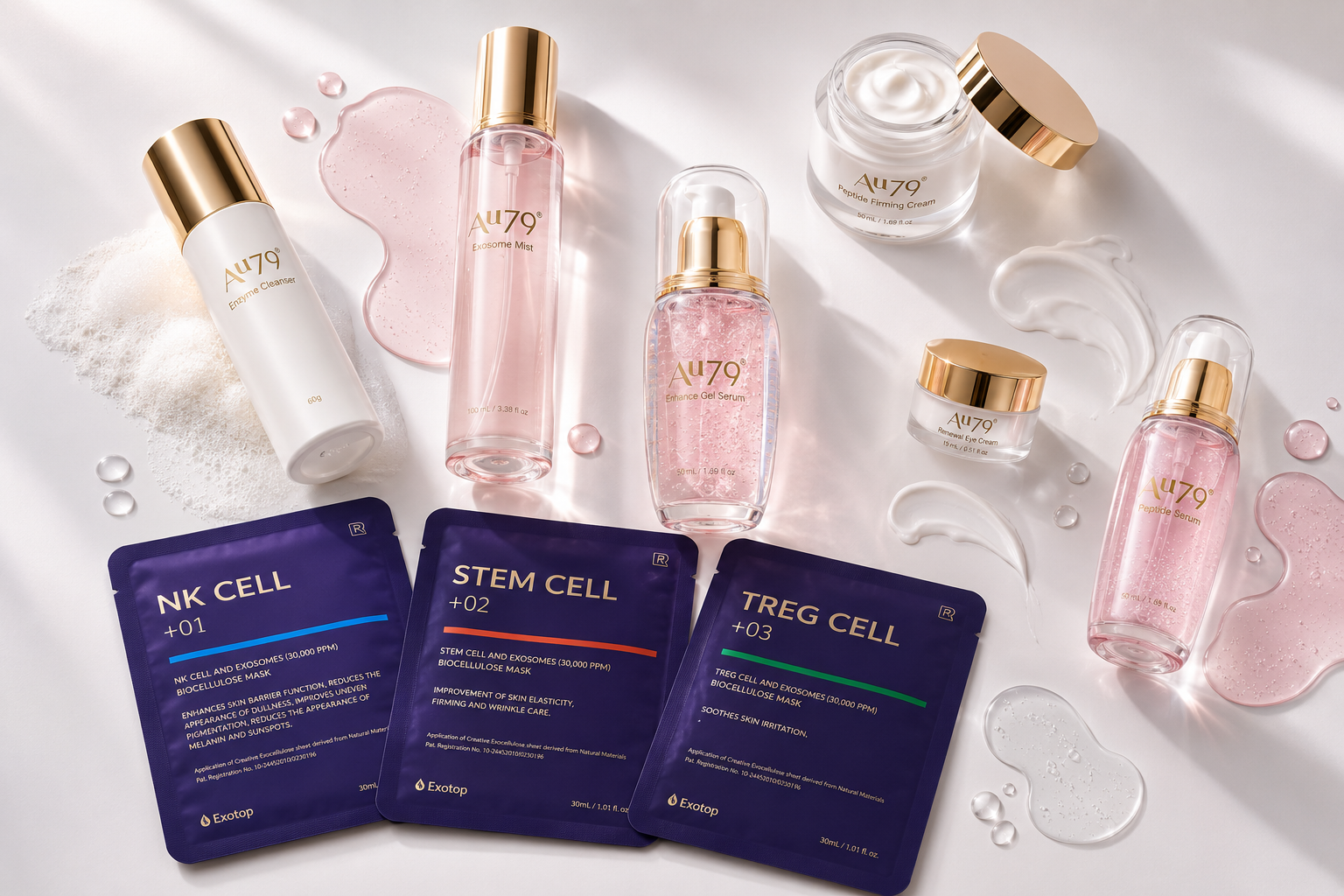
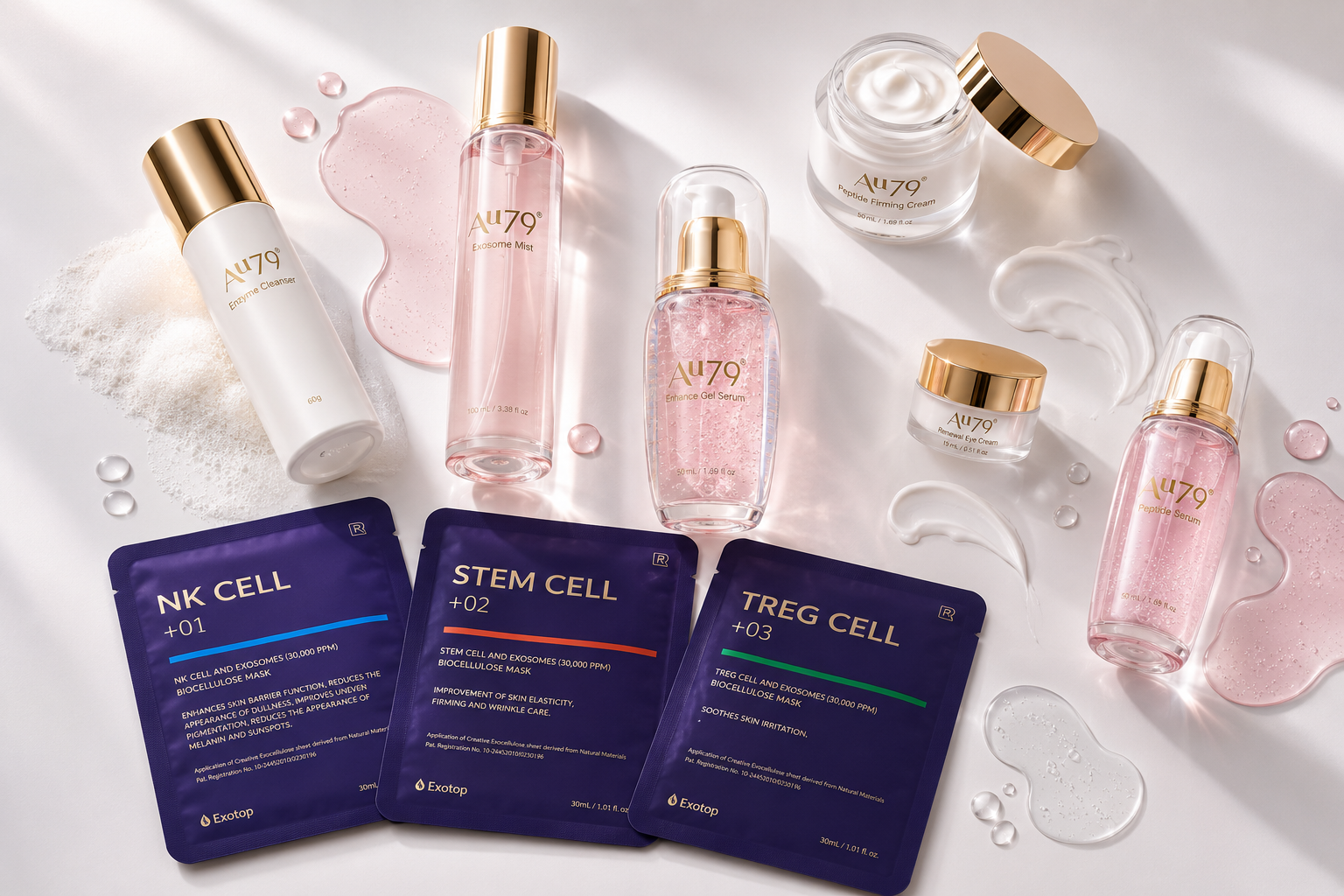
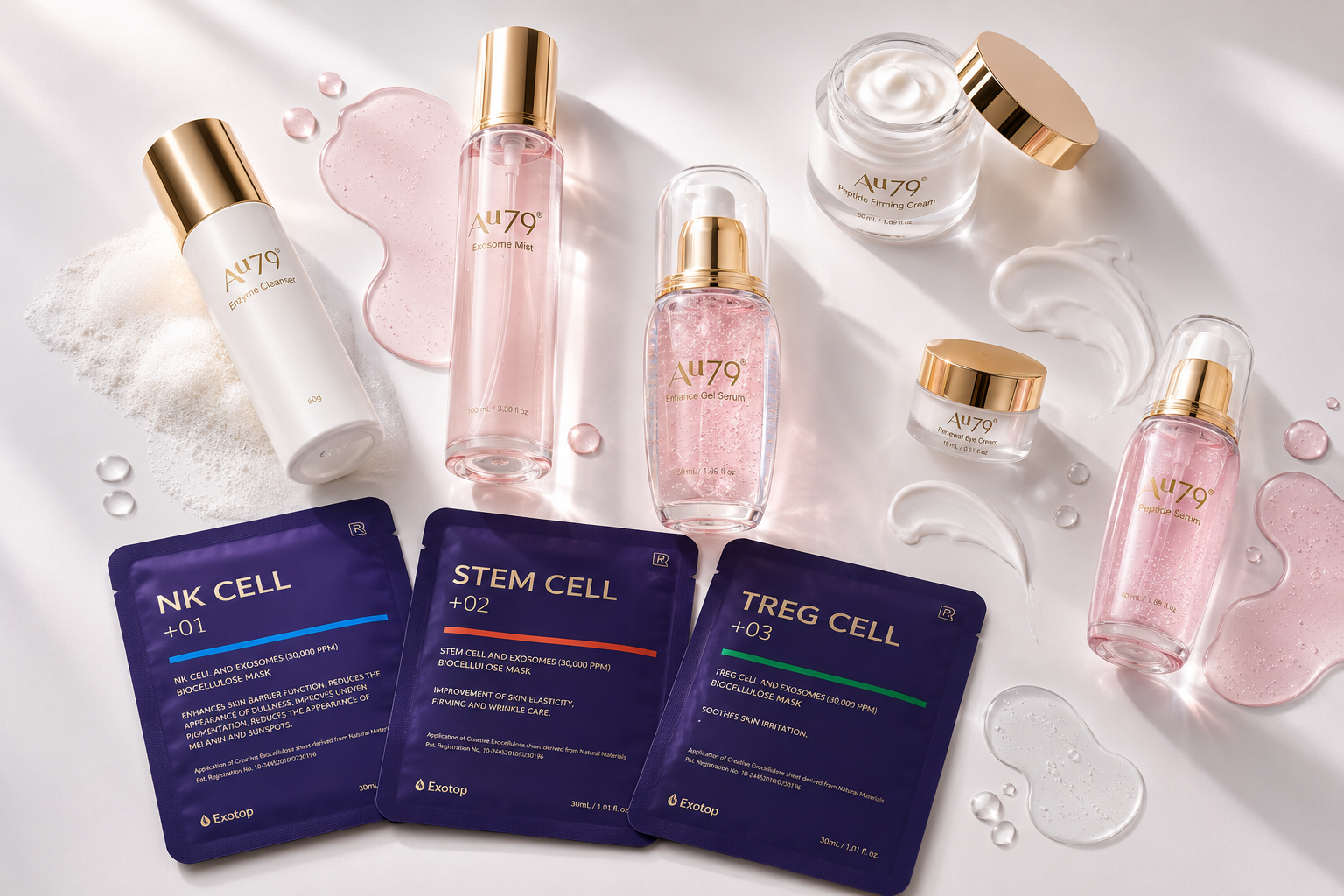
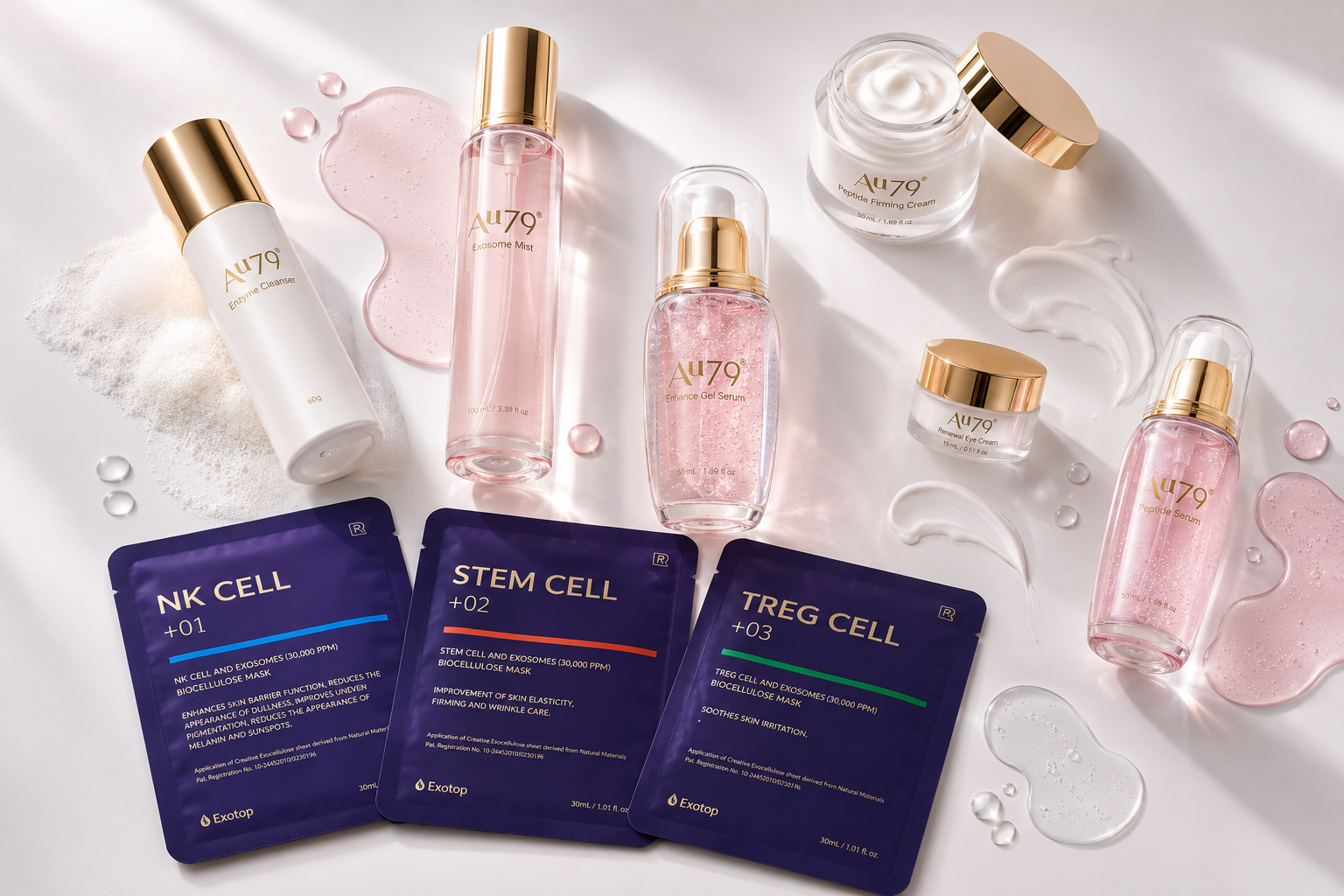
For example, Au79’s Peptide Serum contains glycerin and forms of hyaluronic acid, alongside peptides. Our directions call for application to clean, dry skin, followed by moisturizer and morning SPF. If you use the serum alone and still feel dry, add in the missing moisturizer step before replacing the product.
Au79’s Peptide Firming Cream offers a richer option with glycerin, emollients, and phospholipids. Apply it after your serum, then apply sunscreen in the morning. Following the directions for your specific products could be the missing part to your skincare equation.
Give Each Product a Clear Job
Look at your routine and finish this sentence for each step:
“I use this because I want to improve ______.”
Be specific. “Less tightness after washing” gives you something to assess. “Better skin” leaves too much room for disappointment.
Then review your routine:
- Identify products that address the same concern.
- Record when you started each one.
- Check whether you’ve used it as directed.
- Decide what visible or noticeable result would justify keeping it.
Timing matters, too. The American Academy of Dermatology says many products targeting signs of aging need at least six weeks to show results, and some take up to three months. An early change in hydration doesn’t establish how much a product will improve other areas of concern.
Make One Change You Can Evaluate
Here’s an example for you to base your changes on: Suppose your cheeks feel dry every afternoon, but the rest of your routine feels comfortable - start by adjusting your moisturizer that you apply in the morning, but keep the other steps steady so you can judge whether that change actually helps.
If your main concern is uneven tone, review your sun protection products before buying another brightening product. Use a broad-spectrum, water-resistant sunscreen with SPF 30 or higher, as sun exposure can contribute to the changes you’re trying to address.
When a routine still falls short after consistent use, bring your product list and progress photos to a dermatologist. A clear roadmap and record of your trial and errors helps focus the conversation on what you’ve tried and what remains unresolved. Most importantly, it gives your provider the opportunity to replace or add in products that work for your exact skin type and concern.
Before your next purchase, write down the single problem you want to solve. Use that answer to guide your choice from Au79’s daily skincare collection, and give the change a fair, consistent trial. Your dermatologist will know and love our ingredients and formulation process as much as your skin will.